With the unpredictable weather and frequency of heavy rains in Malaysia, it is best for you to know the steps to take if your car ever gets stuck in a flood.
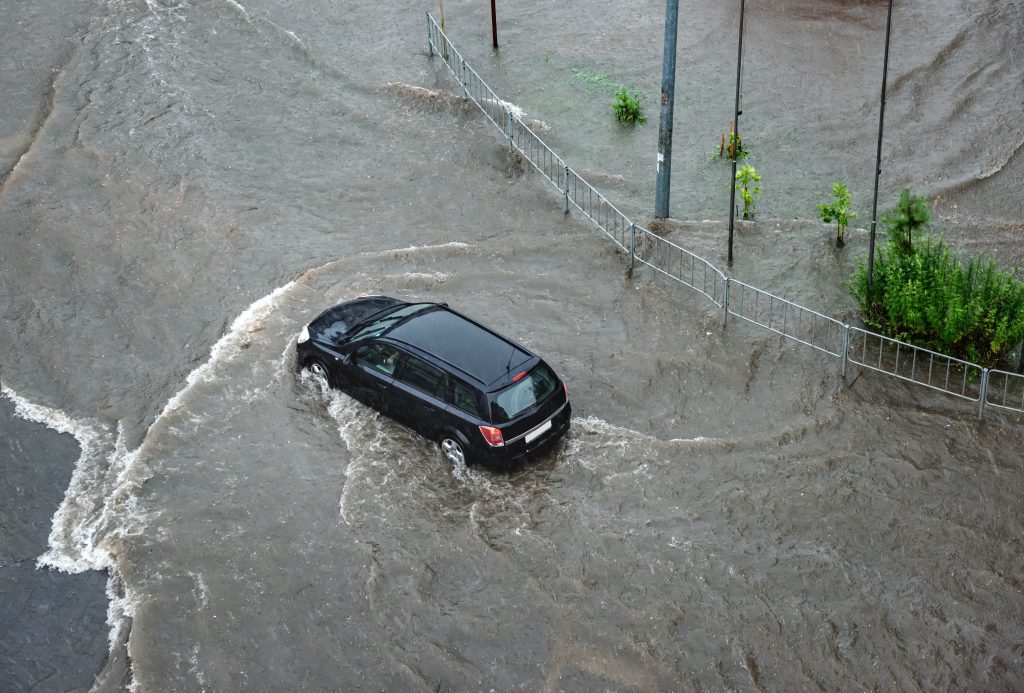
In this article, we will be discussing the actions you should take.
1. Don’t start the engine

Trying to start your car after it has been partially submerged in water may lead to further harm. It is important to remove the car from the water as soon as possible by putting it in neutral and pushing it to safety. Afterwards, get your car checked by a local auto repair shop for further inspection.
2. Call your insurance company

If you possess a comprehensive insurance policy with your company, it should provide coverage for any flood-related harm inflicted upon your vehicle, even if the vehicle is considered a total loss. You may be required to pay a deductible when submitting a claim.
3. Document the damage

Keep a record of the duration and depth of submersion of your car after a flood. If possible, capturing images of the damage is recommended to obtain as much information as possible for your insurance company. The more comprehensive the data you provide regarding the flood damage, the smoother the claims process is likely to be.
4. Dry the car interior properly

In the event of a car being flooded, you are recommended to open the doors, remove the floor mats, and park the car in sunlight if possible. This will facilitate faster drying of the car’s interior and deter the formation of mildew.
Failure to quickly clean and dry the interior may result in harming the electrical components and wiring, which can deteriorate instantly due to humidity.
5. Take out your car’s battery

Remove your car’s battery by detaching the negative (-) terminal and then the positive (+) one before drying it out. Taking quick action can help prevent further damage to the battery, which may still be functional.
6. Drain out the transmission fluid and oil
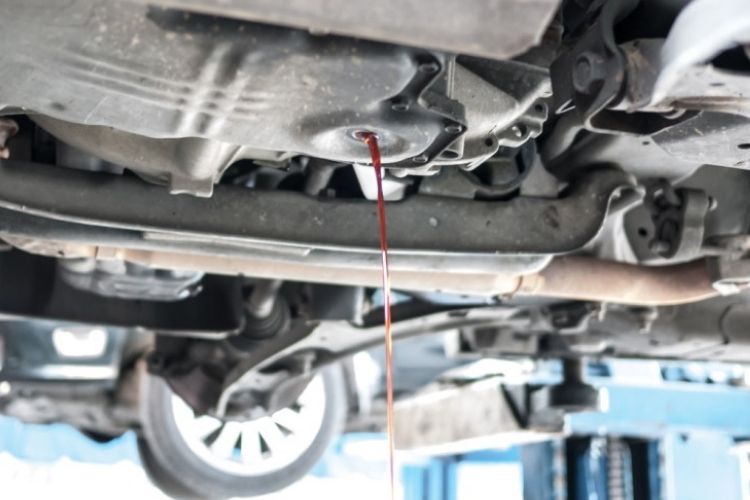
The mixture of transmission fluid and water will most likely damage the car’s components. If your car has been submerged in water, remember to drain out the fluid and oil before replacing them.
7. Bring the car to a mechanic
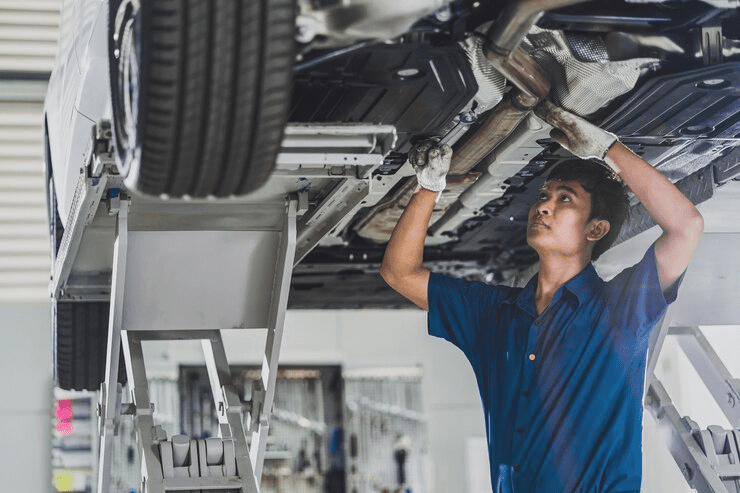
Take your car to a qualified mechanic to check all wiring and electrical components exposed to water. Extended flood exposure may cause damaging effects to your vehicle, so you better act quick before your engine, or other electrical components get destroyed.
Remember, it is better to be prepared than be sorry! So, did we miss any steps? Leave a comment below to share your thoughts or experience.