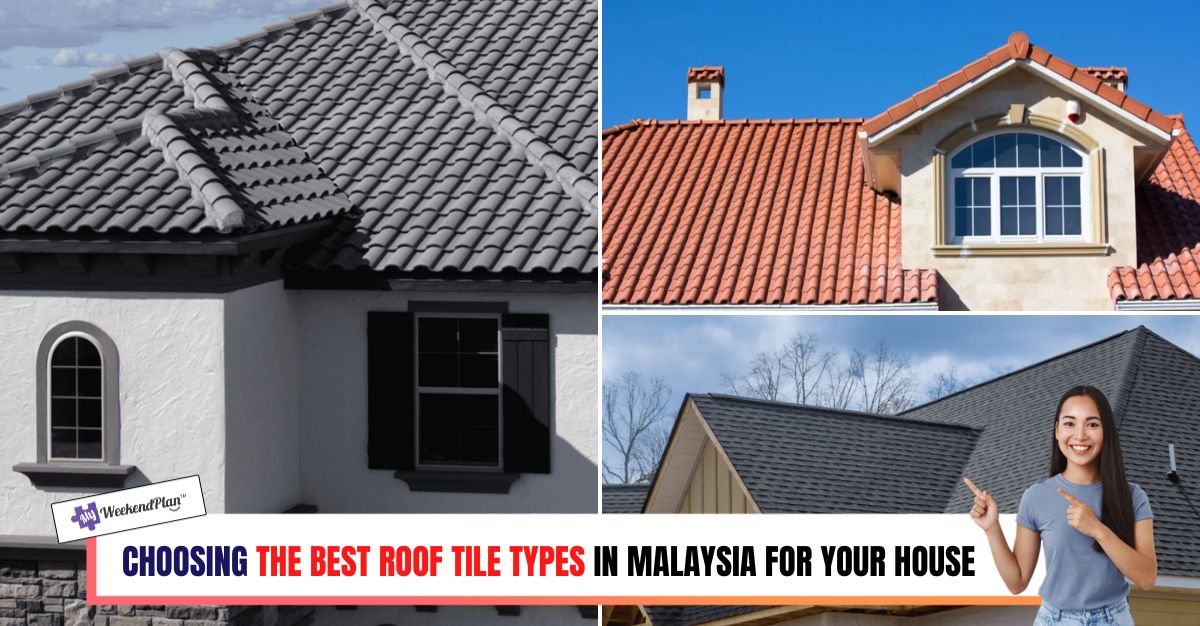
Selecting the right roof tiles for your home is a pivotal decision beyond mere aesthetic appeal. It involves climate, durability, and architectural compatibility considerations. In the vibrant landscape of Malaysia, where the weather can range from tropical downpours to scorching heat, picking the best roof tile becomes even more crucial to navigating the intricate balance between style and functionality.
This guide aims to identify the diverse array of roof tile types available in Malaysia, shedding light on their unique characteristics and helping you make an informed decision that not only enhances the visual appeal of your house but also ensures resilience against the country’s dynamic weather patterns. From traditional clay tiles to modern metal roofing, we delve into the distinctive features of each option, providing insights to guide homeowners in their quest for the ideal roof tile for their Malaysian abode.
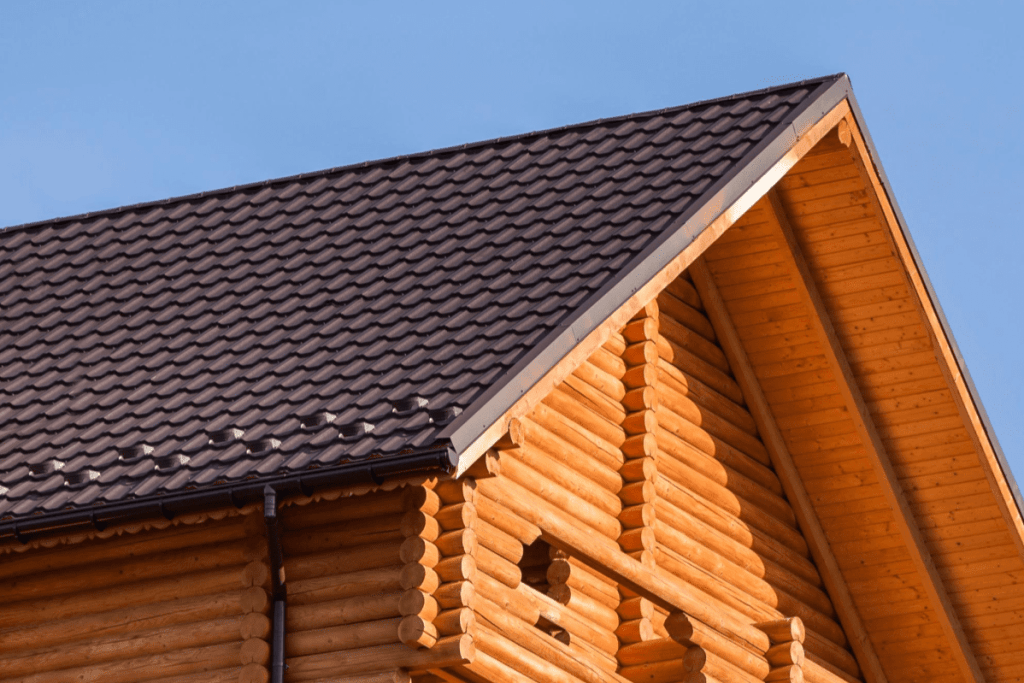
Discover more articles related to tiles that can enhance the functionality and aesthetics of your home:
- Best Roof Tiles Suppliers in Malaysia
- Best Glass Roof Suppliers in Malaysia
- Best Metal Deck Roof Suppliers in Malaysia
- Best Waterproofing Specialists In Malaysia
- Best Roof Repair Contractors In KL & Selangor
1. What Are the Differences Between Roof Tiles and Shingles?

“Roof tiles” and “shingles” are often used interchangeably, but they refer to different roofing materials with distinct characteristics. Here are the key differences between roof tiles and shingles:
| Characteristics | Roof Tiles | Shingles |
| Material | Roof tiles are typically made from clay, concrete, slate, metal, or composite materials. | Shingles are commonly made of asphalt, wood, slate, or other materials. |
| Construction and Installation | Roof tiles are usually bigger and heavier than shingles, and they need to be installed one by one with the possibility of interlocking or overlapping. This makes the installation process more complex, requiring specific expertise. | Shingles are smaller and lighter. They are usually installed by overlapping layers, especially asphalt shingles that come in strips or tabs, creating a layered look. This generally makes the installation process easier and quicker compared to roof tiles. |
| Aesthetic Appeal | Roof tiles offer a diverse range of styles, colours, and textures. They are often chosen for their aesthetic appeal and can give a building a more traditional or upscale appearance. | Shingles come in various styles and colours, but they are more commonly associated with a traditional or contemporary look, depending on the material. |
| Durability and Lifespan | Roof tiles are known for their durability and longevity. Materials like clay and concrete tiles, in particular, can withstand harsh weather conditions and have a long lifespan. | The lifespan of shingles varies depending on the material. Asphalt shingles, the most common type, typically have a lifespan of 15 to 30 years, while materials like wood and slate can last longer. |
| Cost | Roof tiles are often more expensive than shingles in material and installation costs. However, their durability can contribute to long-term cost-effectiveness. | Shingles are generally more cost-effective, making them a popular choice for budget-conscious homeowners. The ease of installation also contributes to lower labour costs. |
2. How to Know When It is Time to Replace Your Roof Tiles?
Determining when to change your roof tiles involves looking for signs of wear, damage, or ageing. Here are some indicators that may suggest it’s time to replace your roof tiles:
- Visible Damage:
- Cracks or Breaks: Inspect your roof for any visible cracks or breaks in the tiles. Damaged tiles can compromise the integrity of the roof.
- Cracks or Breaks: Inspect your roof for any visible cracks or breaks in the tiles. Damaged tiles can compromise the integrity of the roof.
- Missing Tiles:
- Check for Gaps: If you notice gaps or areas where tiles are missing, it is a clear sign that some need replacement. Missing tiles expose your roof to potential leaks and further damage.
- Check for Gaps: If you notice gaps or areas where tiles are missing, it is a clear sign that some need replacement. Missing tiles expose your roof to potential leaks and further damage.
- Water Leaks:
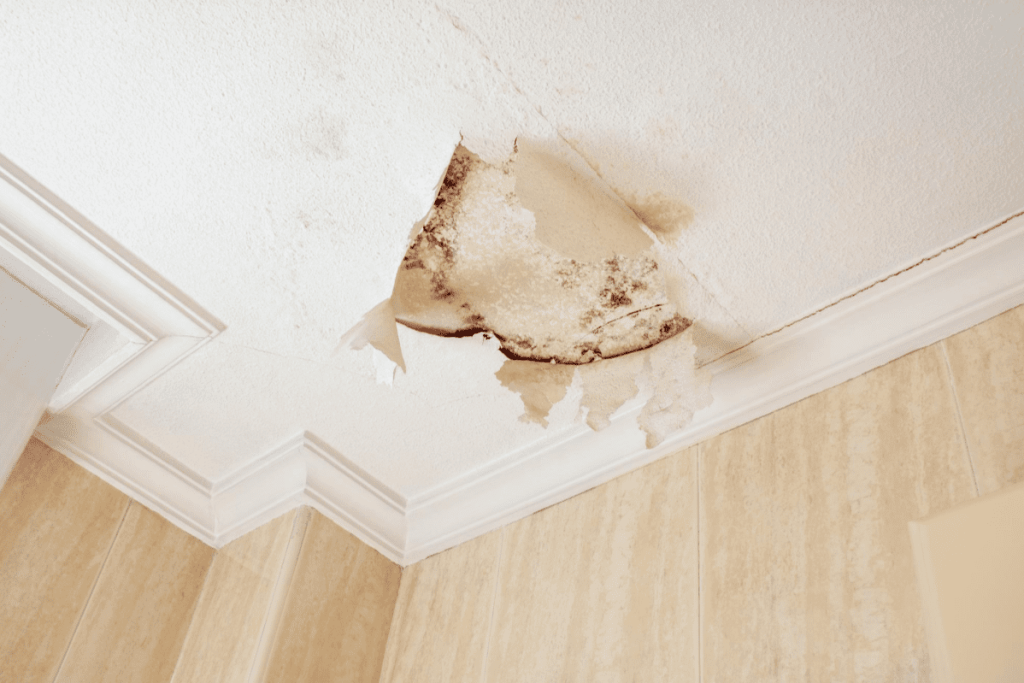
- Ceiling Stains: Interior water stains or discolouration on ceilings can indicate leaks. Trace the source back to the roof to identify if damaged tiles are the cause.
- Ceiling Stains: Interior water stains or discolouration on ceilings can indicate leaks. Trace the source back to the roof to identify if damaged tiles are the cause.
- Moss or Algae Growth:
- Green or Black Streaks: The growth of moss, algae, or other vegetation on the roof can be a sign of water retention, which might be due to damaged tiles or poor drainage.
- Green or Black Streaks: The growth of moss, algae, or other vegetation on the roof can be a sign of water retention, which might be due to damaged tiles or poor drainage.
- Sagging Roof:
- Visible Sagging: A visibly sagging roof can indicate structural issues, and damaged or heavy tiles may contribute to this problem.
3. What Are the Most Common Types of Roof Tiles Used in Malaysia?

There are several common types of roof tiles used in Malaysia. Remember that trends and preferences may change, and new materials or styles may emerge. Based on Recommend.my, here are some of the commonly used roof tiles in Malaysia:
1. Wood Shingles
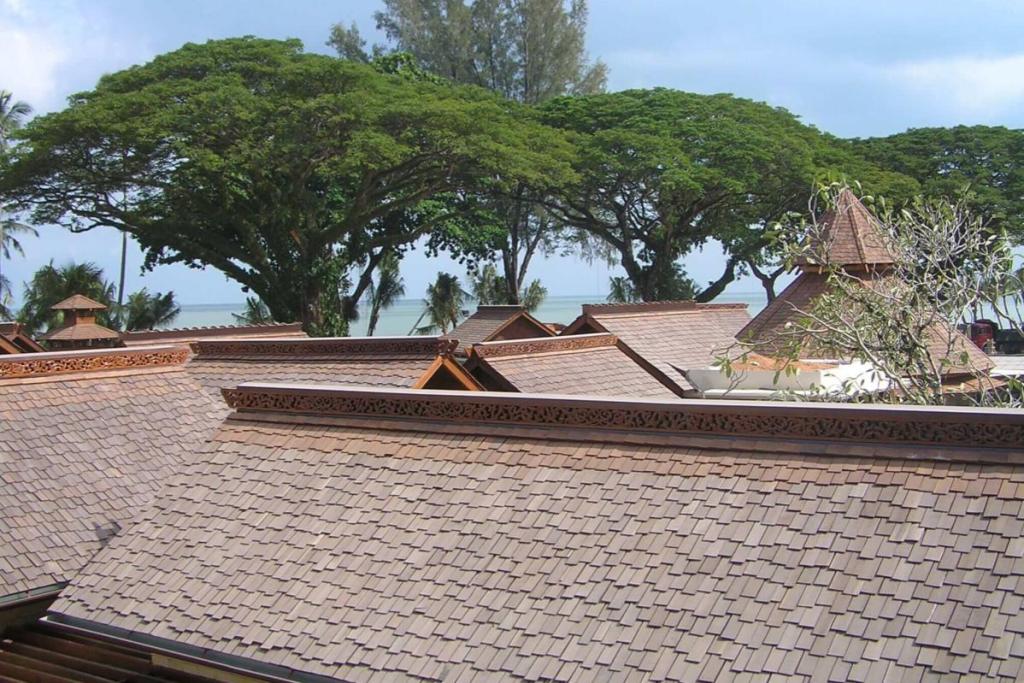
Opting for wood shingles provides a natural, wood-like appearance for your roof, making it an excellent choice. For an eco-friendly option, reclaimed wood, often crafted from belian wood (Borneo ironwood) in Malaysia, is popular, especially in resorts seeking an exotic aesthetic.
While these shingles boast a lifespan of at least 30 years, with high-quality wood lasting up to 80 years, it is important to note the trade-offs. The installation cost is higher than asphalt, and maintenance can be challenging due to susceptibility to various issues. Repairs, particularly for cracks and decay, can be costly, necessitating periodic chemical treatments for prolonged roof health and durability.
2. Asphalt Roof Shingles

Asphalt shingles, created by blending waterproof asphalt with a robust fibrous material like wood or glass fibres, offer affordability and ease of maintenance. Widely used globally, these shingles are waterproof, fire-resistant, and available in various colours, lasting approximately 15 to 30 years.
However, it is essential to note that they are susceptible to heat damage, leading to colour fading and potential cracking. Additionally, their petroleum-based composition raises environmental concerns.
3. Slate Shingles
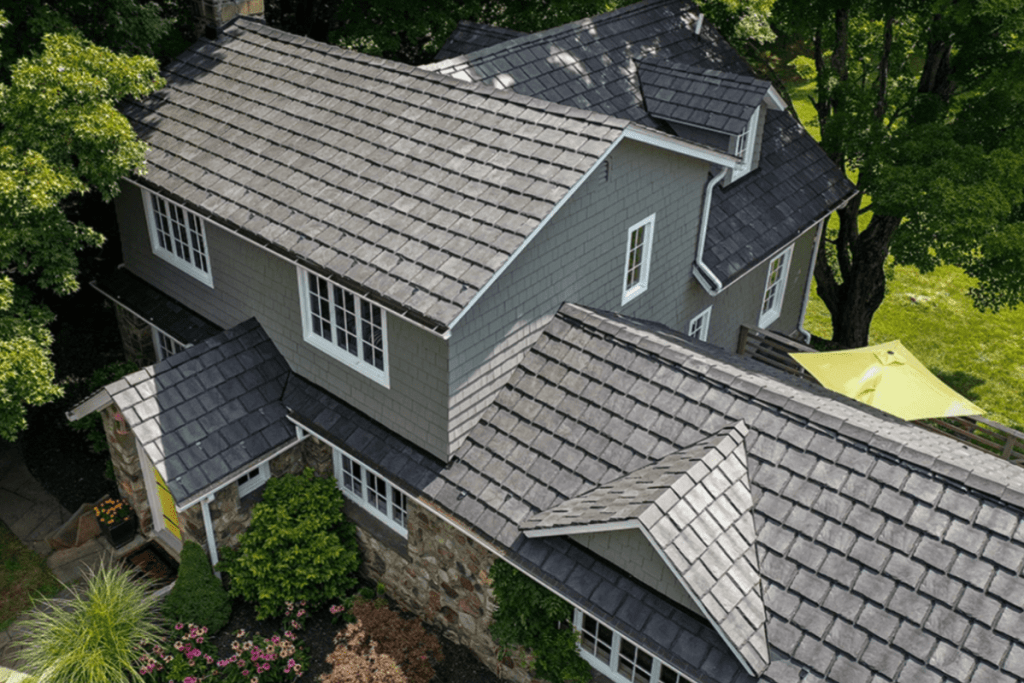
Slate shingle roofs, renowned for their opulent appearance and longevity, have adorned structures like medieval castles and churches for centuries. Crafted from natural stone, these shingles boast an impressive lifespan of at least 100 years, showcasing ageless beauty even in harsh weather conditions.
Their quality comes at a cost, as slate shingles rank among the most expensive roofing materials. Their considerable weight may necessitate additional structural support, and their intricate installation requires a skilled roofing contractor’s expertise to prevent leaks and costly damages.
4. Composite or Synthetic Shingles
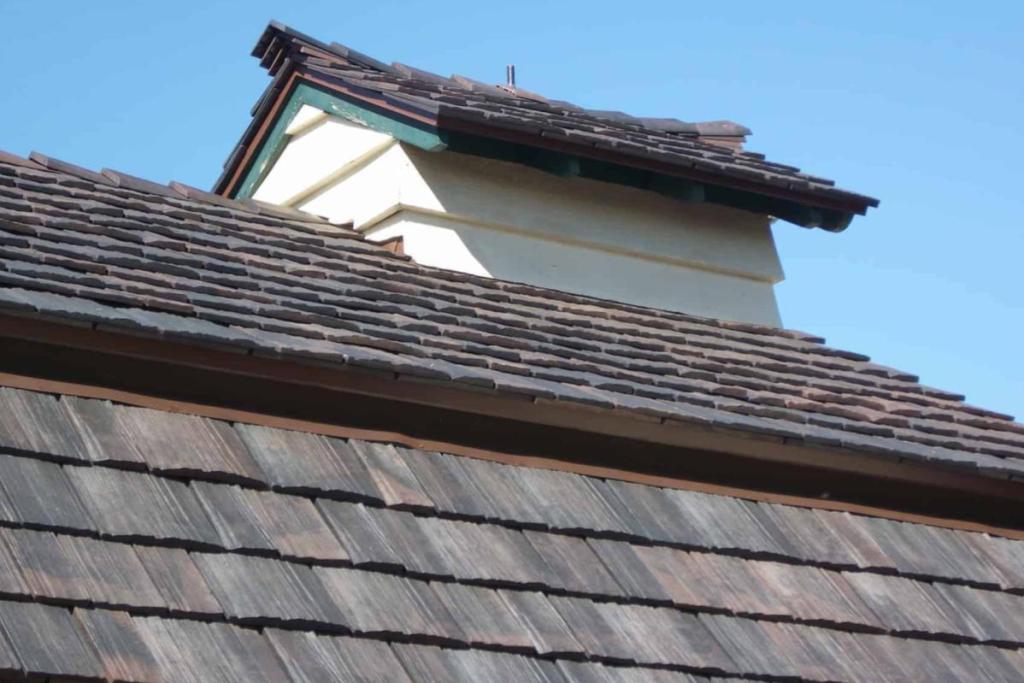
Composite shingles, comprised of a blend of natural materials like steel and rock and synthetic elements like rubber or plastics, serve as cost-effective alternatives to pricier natural counterparts, mimicking their appearance. Engineered for lightness and ease of installation, they resist breakage and are resistant to rot, mould, and algae.
Even so, this type of roof’s durability falls short compared to some materials, and they exhibit vulnerability to heat and strong winds. Furthermore, they are prone to heat and strong winds, and their environmental impact is unfavourable to many.
5. Clay Roof Tiles
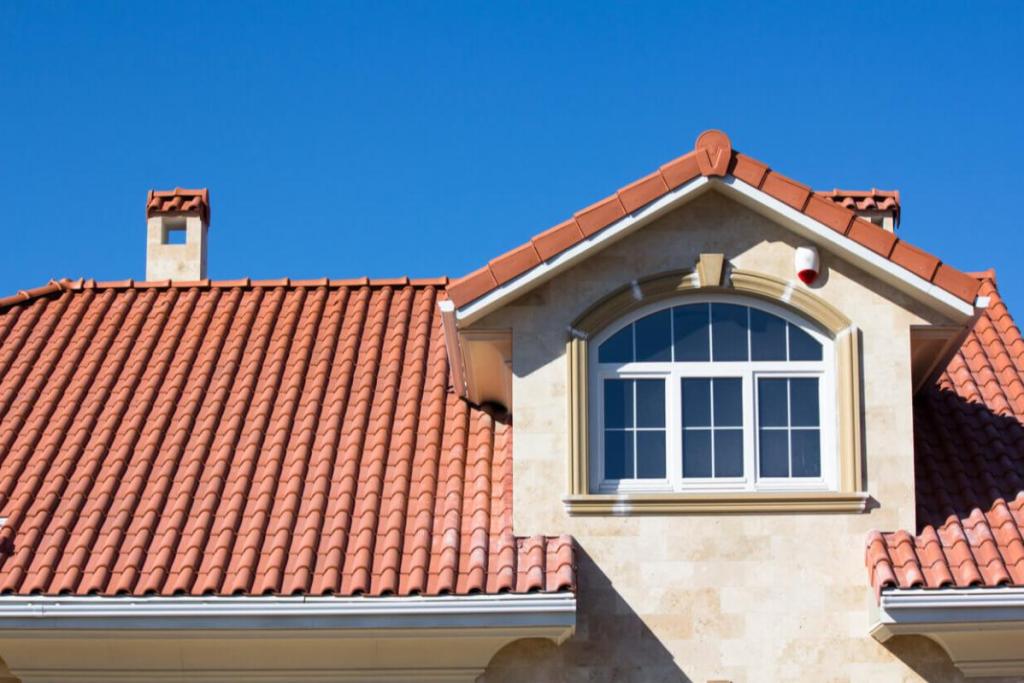
Clay roof tiles, arguably Malaysia’s most prevalent roofing material, are created by baking moulded clay at high temperatures. Modern options offer a variety of customisable colours and are available in traditional shades of brown, yellow, orange, and terracotta. With a lifespan of 100 years, these tiles provide resistance to insects, rot, and fire, requiring minimal maintenance.
On top of that, they contribute to environmental friendliness and energy efficiency by regulating home temperatures. Despite their durability, clay tiles are susceptible to breakage and may necessitate additional structural support due to their weight.
6. Concrete Roof Tiles
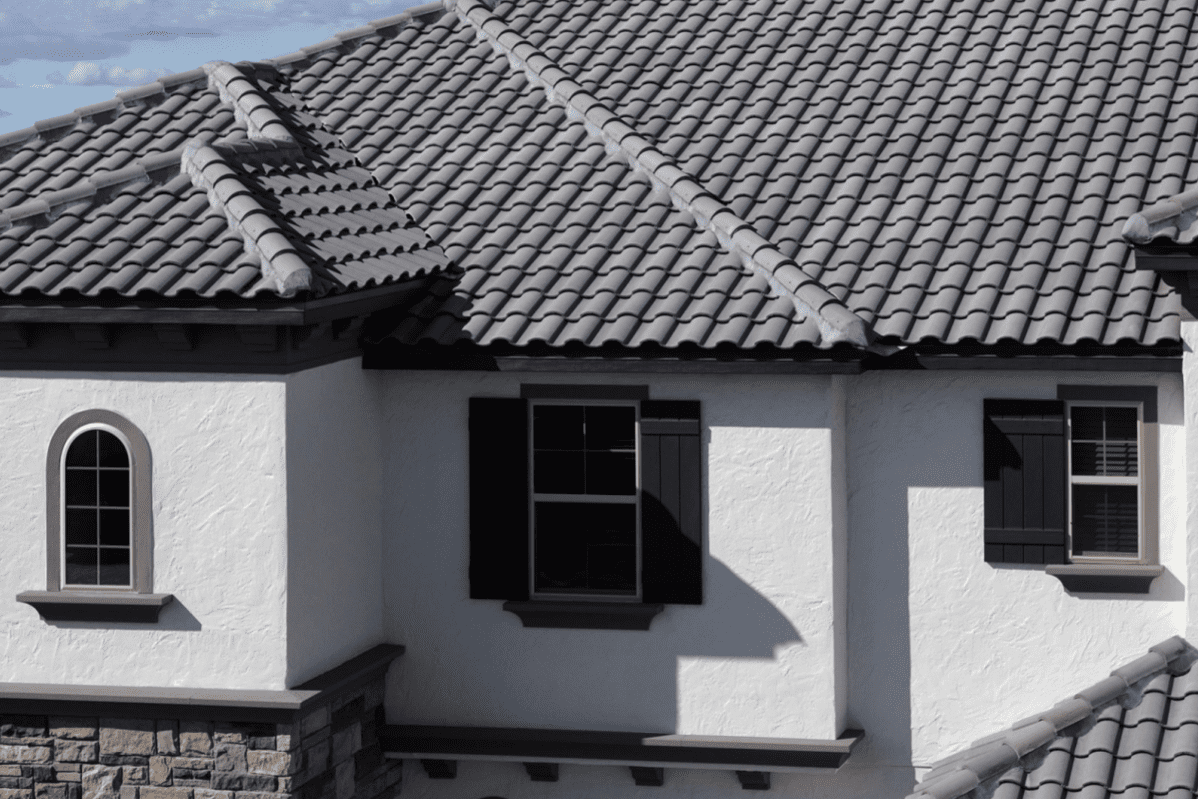
Crafted from a blend of sand, water, and cement, concrete roof tiles are shaped under high heat and pressure. Resembling clay tiles exhibit strength, fire resistance, ease of maintenance, a broad colour palette, and durability, lasting up to 50 years.
Despite being a cost-effective alternative to clay, concrete tiles are heavier, adding approximately 40% more weight to the roof structure. Their higher water absorption than clay may increase pressure on the roof and create conditions conducive to mould and mildew growth.
7. Metal Roof
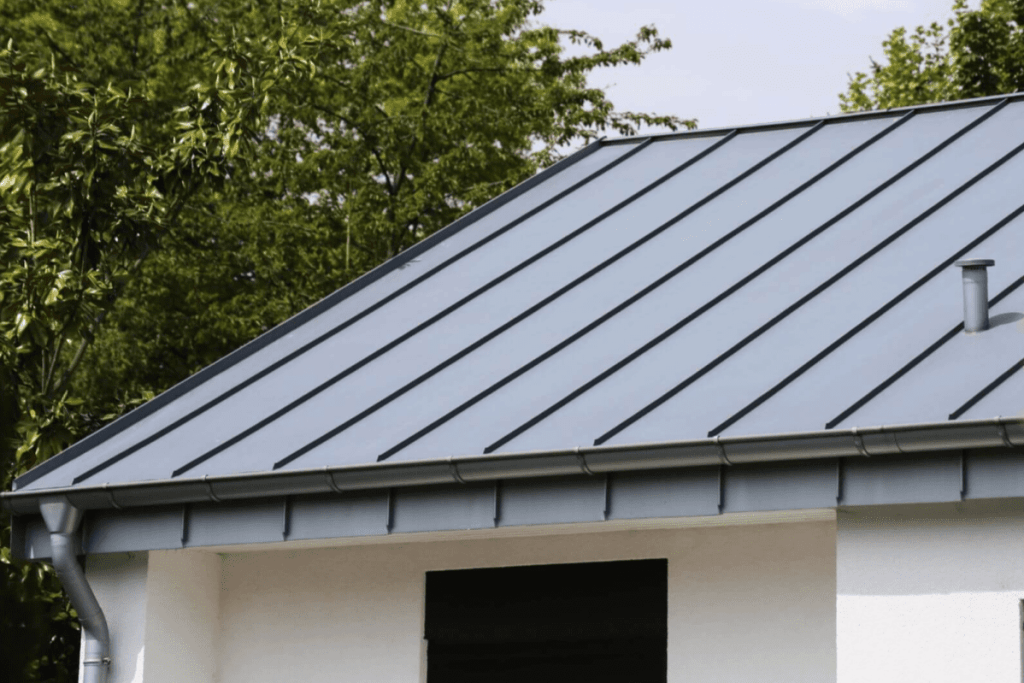
Traditionally common in factories, metal roofing sheets have gained popularity among residential owners due to their durability, colour options, and minimal maintenance. Crafted from copper, aluminium, steel, or alloy, these sheets boast a robust lifespan of up to 50 years, with resistance to high winds, insects, mildew, rot, and fire.
Made from sustainable materials, metal roofs are recyclable and environmentally friendly, with at least 30% constructed from recycled materials. Their reflective properties contribute to cooling the home and reducing energy bills. Despite the initial installation cost, the long lifespan of metal roofs proves cost-effective in the long run by minimizing future maintenance expenses.
4. What Are the Factors to Consider When Choosing the Type of Roof Tile for Your House?

Several factors influence the choice of roof tiles for a particular structure. Here are key factors to consider:
- Material Suitability for Climate
Choose roof tiles designed to withstand the challenges of a hot and humid climate. Light-coloured materials like clay, concrete, or metal may suit such conditions to help mitigate heat absorption. - Durability
Consider the material’s durability in prolonged exposure to high temperatures and humidity. Materials that resist warping, cracking, and degradation over time are preferable. - Resistance to Mold and Algae
In humid climates, mould and algae growth can be common. Choose tiles with properties that resist these microorganisms’ growth to maintain the roof’s aesthetic appeal and structural integrity. - Slope Compatibility
The slope or pitch of your roof is crucial. Some tile materials work better on steeper pitches, ensuring efficient water runoff. Consult with roofing professionals to determine the compatibility of specific tiles with your roof’s slope. - Weight Considerations
Ensure that the chosen tiles are appropriate for the structural load-bearing capacity of your roof. Some materials are heavier, requiring additional support, while others are lightweight and suitable for various roof structures. - Installation Complexity
Consider the complexity of installation, especially on roofs with varying slopes. Some tiles may require more intricate installation, impacting labour and material costs. - Aesthetic Preferences
Factor in your aesthetic preferences while ensuring that the chosen tiles complement the architectural style of your house. Choose colour, texture, and style options that align with your vision.
5. Why Is It Important for You to Waterproof Your Roof?
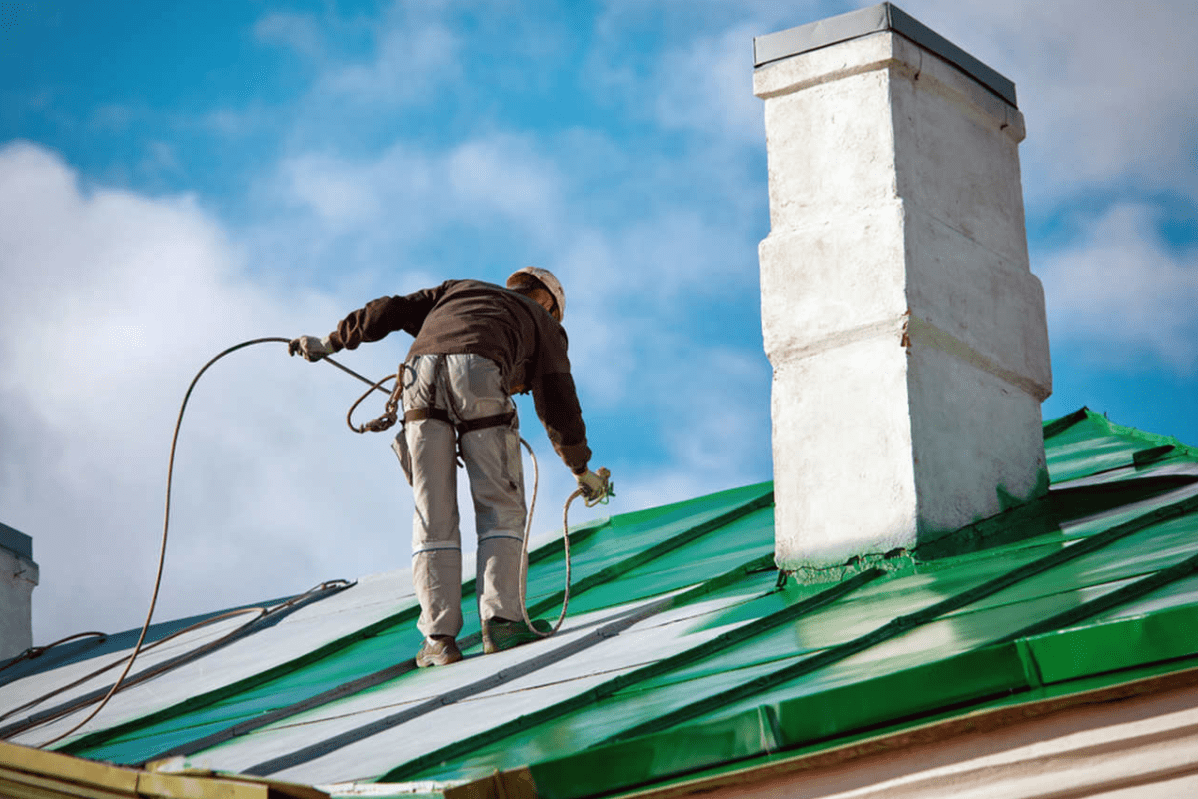
Waterproofing your roof is essential to protect your home from water damage. A properly waterproofed roof helps prevent leaks, structural damage, and the growth of mould and mildew. Here are some reasons why you should consider waterproofing your roof:
- Prevent Leaks
Waterproofing creates a barrier that prevents water from penetrating through the roof, reducing the risk of leaks into your home. - Protect Structural Integrity
Water infiltration can weaken the structure of your roof over time. Waterproofing helps maintain the structural integrity of the roof by preventing water-related damage. - Mould and Mildew Prevention
Accumulated moisture can create an environment conducive to the growth of mould and mildew. Waterproofing inhibits the development of these harmful substances, which can affect indoor air quality and pose health risks. - Extend Roof Lifespan
Waterproofing can extend the lifespan of your roof by protecting it from the damaging effects of water exposure, such as rust, corrosion, and deterioration of roofing materials. - Preserve Interior Spaces
Water damage from roof leaks can harm interior spaces, including walls, ceilings, and possessions. Waterproofing helps preserve the aesthetics and structural integrity of your home’s interior.
Grab Your Complimentary Lazada Voucher 【Here】
Tons of Shopee Cashback Deals 【Here】
Disclosure: This list was compiled by the team at My Weekend Plan after extensive research and shared opinions to suggest helpful recommendations for the public. The sequence of brands is in no particular order so if you have any other great suggestions too, please email us support@myweekendplan.asia. For more information, kindly refer to our copyright, privacy & disclosure policy.