If you have ever dreamt of gliding through vibrant coral reefs, encountering fascinating marine life, and experiencing the freedom of the deep blue, obtaining a PADI scuba diving license is your gateway to adventure. In this comprehensive guide, we will unravel the steps of acquiring your PADI certification in the stunning aquatic landscapes of Malaysia, a country renowned for its rich marine biodiversity and crystal-clear waters.
With its diverse array of dive sites in places like Tioman Island, Sipadan, and Langkawi, Malaysia offers an unparalleled setting for aspiring scuba divers. Whether you are a novice eager to take your first underwater breaths or an experienced diver seeking advanced certifications, this ultimate guide will walk you through the step-by-step process, from selecting the right diving school to mastering essential skills, ensuring that your scuba diving journey in Malaysia is not only unforgettable but also safe and rewarding.

1. What is PADI?

PADI is a widely recognised scuba diving certification course with global acclaim, providing exceptional educational programs designed to teach aspiring drivers comprehensive dive knowledge. These courses are tailored to equip individuals with the skills to explore the underwater world safely and confidently.
The popular diving courses are:
- PADI Open Water Diver Course (for beginners)
- PADI Advanced Open Water Diver Course
- PADI Enriched Air Diver Course
PADI also shows a global commitment to ocean well-being by aiming to inspire a billion torchbearers dedicated to exploring and protecting the sea.
2. What Criteria Do You Need to Fulfil to Get a PADI Diving License?
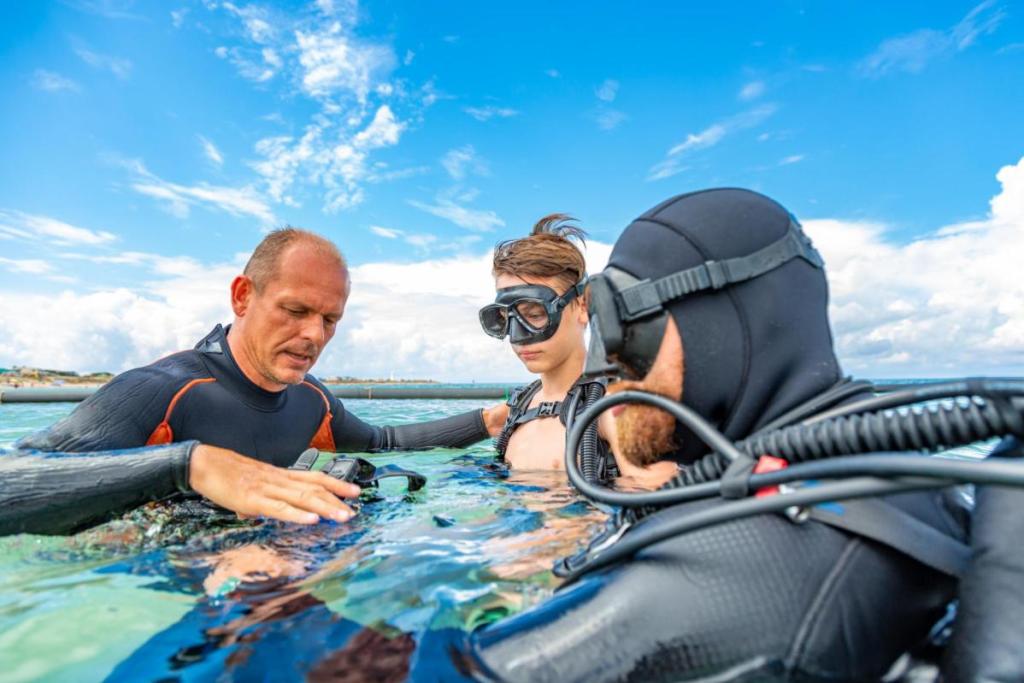
To obtain a diving license, you must meet the following criteria:
- Be at least 10 years old (age requirements may vary in some locations)
- Be medically fit for diving, and you will need to complete a scuba medical questionnaire before starting your course (refer to the questionnaire)
- Have a basic understanding of swimming because, during the course, you will be required to demonstrate your swimming ability
2. Do You Have to Know How to Swim to Start Scuba Diving?
To start scuba diving, you should possess basic swimming skills and the ability to feel at ease in the water. Your PADI Instructor will request you to:
- Swim 200 metres (or 300 metres while wearing a mask, fins, and snorkel) without interruption. There is no time constraint, and you can use any swimming strokes of your choice
- Float and tread water for 10 minutes, utilising any method(s) you prefer
4. What is the Minimum Age Requirement for Scuba Diving Lessons?
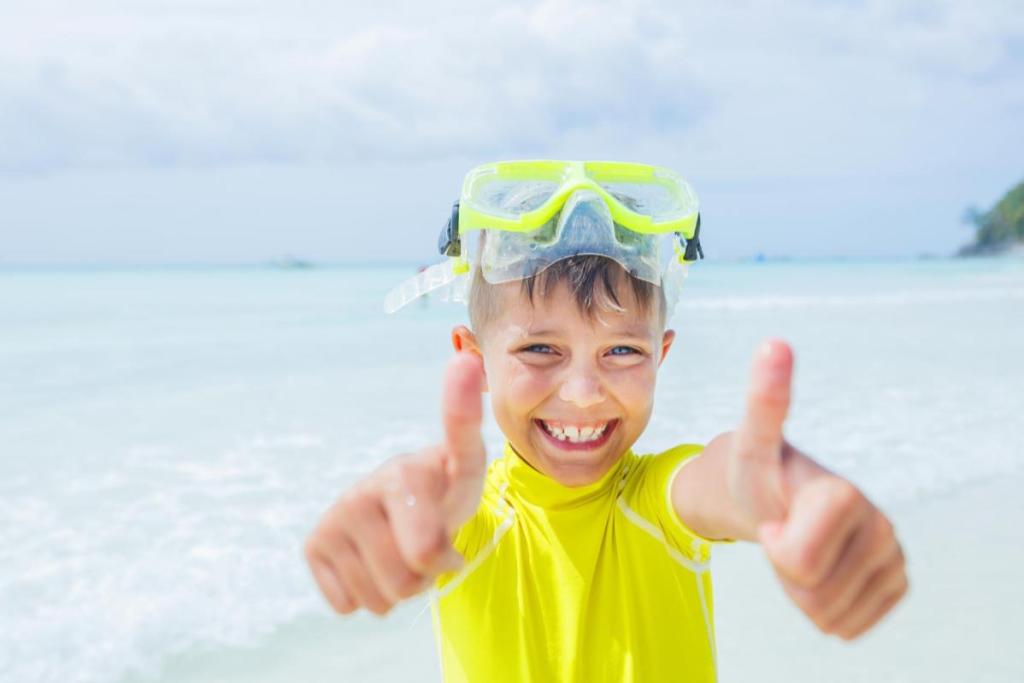
Minimum age is generally 10 years old. Student divers under 15 receive the PADI Junior Open Water Diver certification, which entails specific restrictions.
- Divers aged 10-11: Dive with a PADI Professional or certified parent/guardian; max depth 12m/40ft
- Divers aged 12-14: Dive with a certified adult; max depth 18m/60ft
- Children under 13: Need parent/guardian permission for PADI eLearning registration
Junior Open Water Divers can upgrade to PADI Open Water Diver at age 15 with a new certification card. No additional training is required.
You can check out further details on PADI.
5. What is the Procedure for Becoming a Certified Diver?
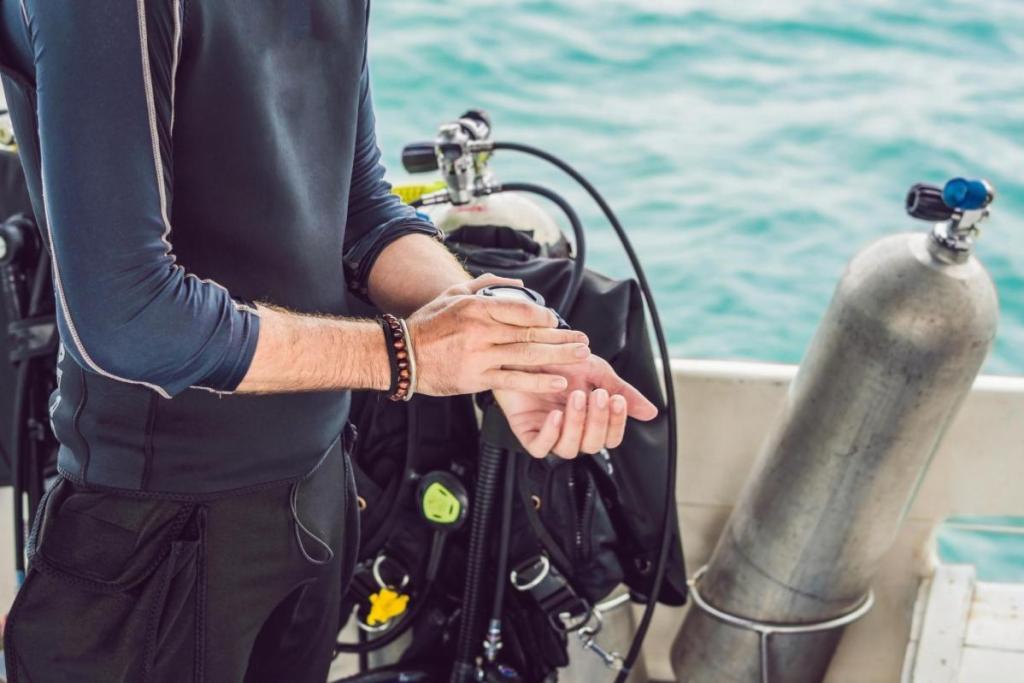
The course typically spans four days, with some flexibility based on individual performance. The emphasis is on fostering confidence and comfort in diving rather than rushing through the process.
The PADI Open Water Diver Course is structured in three main phases:
- Knowledge Development
In the knowledge development phase, you will explore scuba equipment, learn scuba lingo, and watch instructional diving videos at your own pace. This self-study phase is flexible, with most people finishing it over a few weeks, though it can be done in just a few days. A popular option is PADI eLearning®, which allows independent study through reading, watching videos, and taking quizzes on your computer or mobile device. - Confined Water Dives
In phase 2, you will experience your initial underwater breaths in a serene setting like a pool or tranquil lagoon, known as “confined water.” Here, you will master fundamental diving skills, including clearing your mask and ascending/descending. Your instructor guides you through demonstrations and reviews until you feel confident executing these skills independently. - Open Water Dives
In the open water course, you’ll dive up to a maximum depth of 18 meters (60 feet) across four dives, typically conducted over two days. Guided by your instructor, you’ll apply skills practised in confined water and immerse yourself in the underwater realm. These dives can be completed locally, such as in the ocean, a nearby lake, or a quarry.
Once you complete four open water dives and meet all the course requirements, you become a certified diver—a title you will carry for a lifetime. As a PADI-certified Open Water Diver, you unlock opportunities to explore the vast possibilities of the ocean planet.
6. How Much Does the PADI Open Water Diver Course Cost?
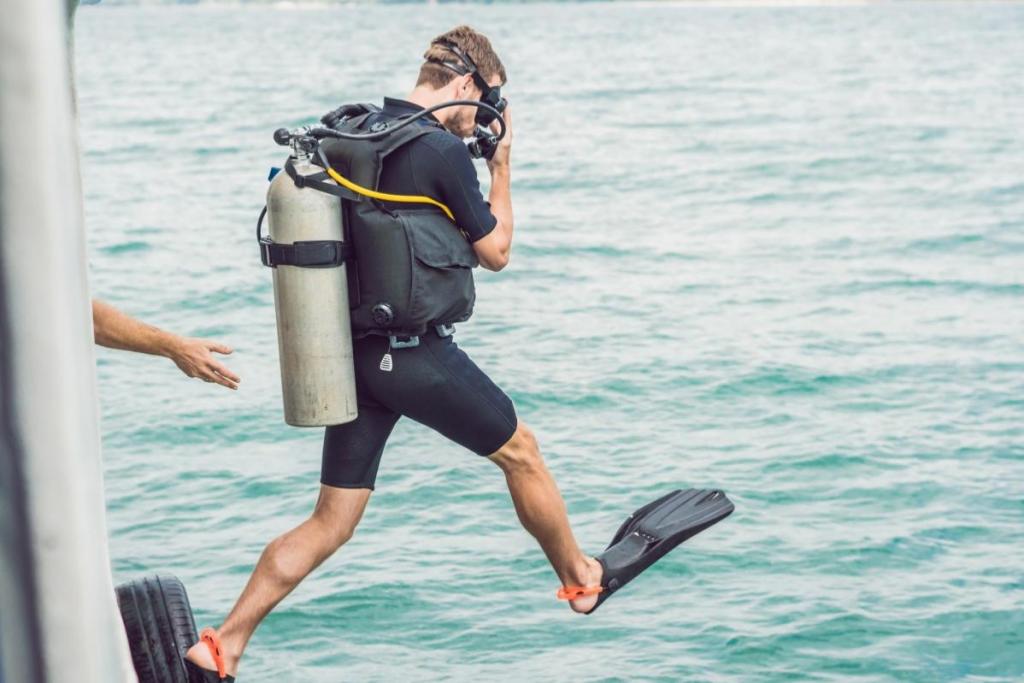
Scuba diving courses in Malaysia range from RM1,000 to RM2,000, depending on the selected package. The cost covers course materials, theory sessions, confined open water sessions, open water dives, and instructor fees. Some packages also include accommodation, meals, and additional fees, providing a hassle-free trip-planning experience.
Review the following list of diving packages offered on Klook at discounted rates:
| Package | Price |
| Semporna, Sabah 3 Days Open Water Course | RM1,270.00 |
| Redang Island, Terengganu 3 Days Open Water Course | RM1,342.79 |
| Kota Kinabalu, Sabah 2 Days Open Water Course | RM1,394.45 |
| Rompin, Pahang 3 Days Open Water Course | RM1,405.80 |
| Singapore 4 Days Open Water Course | RM2,510.39 |
7. What are the Best Locations in Malaysia to Obtain Your PADI Diving License?

Malaysia offers several fantastic diving locations where you can obtain your PADI (Professional Association of Diving Instructors) diving license. Here are some of the best locations:
1. Pulau Tioman

Situated in the centre of the Coral Triangle, Pulau Tioman boasts a rich marine environment housing more than 500 species of reef-building corals and 52% of all Indo-Pacific reef fishes. The island has reputable dive schools with over 25 dive sites where you can get PADI certification while exploring stunning underwater landscapes.
2. Semporna, Sabah

Semporna in Sabah is renowned for hosting some of the world’s most stunning diving sites, where you can encounter a diverse array of marine life across its numerous islands. Immerse yourself in the underwater wonders of this region, where vibrant coral reefs and many sea creatures create an unparalleled diving experience.
3. Pulau Perhentian, Terengganu

Pulau Perhentian is famous for its crystal-clear waters and abundant marine life, providing fantastic opportunities for obtaining a PADI certification. With its stunning reef, diverse fish population, and tranquil waters, Pulau Perhentian is an ideal destination for novice divers, thanks to its pleasant water conditions and excellent underwater visibility.
4. Pulau Redang, Terengganu

Pulau Redang, on the east coast of Peninsular Malaysia, is renowned for its vibrant marine life, making it an excellent setting for PADI training suitable for divers of various skill levels. The island boasts diverse underwater ecosystems featuring colourful coral reefs and abundant marine species.
8. When is the Best Time for Diving?

The eastern coast islands of Peninsular Malaysia, like Redang, Perhentian, and Tioman, experience the annual monsoon season and offer excellent diving opportunities from March to September.
Conversely, islands on the west coast, such as Langkawi, and those in East Malaysia provide great diving experiences throughout the year. Sabah and Sarawak, located in East Malaysia, host some of the world’s finest diving sites, inviting exploration anytime.
9. What are The Essential Things You Must Bring for a Diving Trip?

When preparing for a diving trip, it’s crucial to pack the necessary gear and essentials to ensure a safe and enjoyable experience. Here’s a list of essential items you should bring for a diving trip:
- Rashguard
A rashguard is essential for sun protection and prevents skin irritation, ensuring a comfortable and enjoyable diving experience in varying water conditions. - Swimwear
Durable and well-fitting swimwear is a must-have for underwater activities, providing freedom of movement while exploring the beauty beneath the surface. - Breathable and Comfortable Clothing
Opt for lightweight and moisture-wicking dri-fit clothing for surface intervals, promoting quick drying and comfort between dives. - Towel
A quick-drying towel is indispensable for drying off after a dive, keeping you warm and comfortable during surface breaks. - Seasick Pills
Seasick pills can be a lifesaver for those prone to motion sickness, ensuring a smoother journey to and from dive sites. - Sunscreen
Protect your skin from harmful UV rays with a high SPF sunscreen, safeguarding against sunburn during surface activities. - Water and Snacks
Stay hydrated with ample water and keep energy levels up with snacks, essential for sustaining you throughout a day of diving adventures.
Grab Your Complimentary Lazada Voucher 【Here】
Tons of Shopee Cashback Deals 【Here】
Disclosure: This list was compiled by the team at My Weekend Plan after extensive research and shared opinions to suggest helpful recommendations for the public. The sequence of brands is in no particular order so if you have any other great suggestions too, please email us support@myweekendplan.asia. For more information, kindly refer to our copyright, privacy & disclosure policy.