The Malaysian Chinese community cherishes Chinese New Year as a lively and joy-filled event of immense cultural importance. It serves as a period dedicated to family reunions, honouring ancestors, and embracing the hopeful and prosperous start of a new year. Rich in customs and traditions, this festival places food at its core. Here are Malaysia’s 10 best traditional foods for the Chinese New Year.
Why do Chinese people cherish traditional food during Chinese New Year?
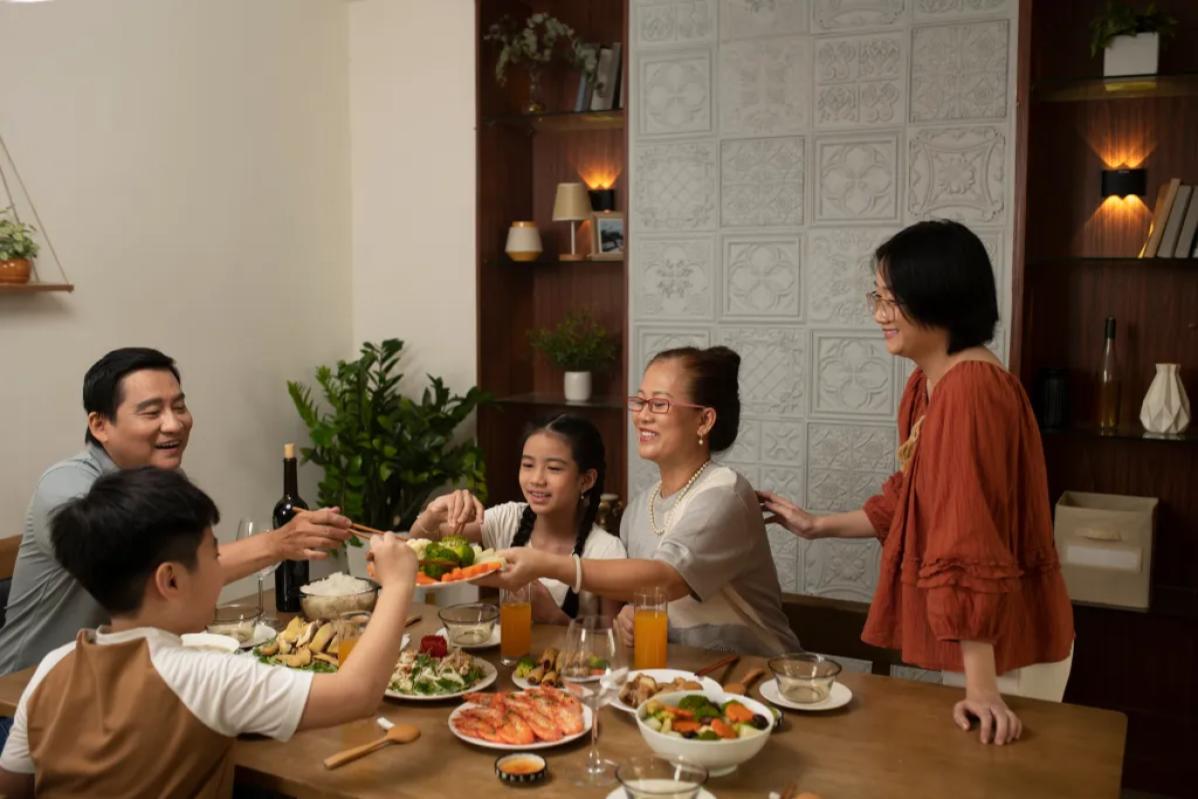
Throughout Chinese New Year, traditional Chinese food holds immense value for their cultural heritage, symbolising elements like luck, prosperity, and family unity. These traditional foods establish a profound connection to one’s ancestry and past generations, honouring enduring traditions. They evoke feelings of nostalgia and optimism for the coming year, expressing care and affection, while creating meaningful experiences that unify everyone in the joyful atmosphere of the festival.
What are the Must-Try Dishes in a Reunion Dinner?
The reunion dinner during Chinese New Year is super important! It’s a special time when the whole family comes together to welcome the new year. Here are some must-have dishes usually served at this wonderful reunion dinner:
1. Whole Chicken
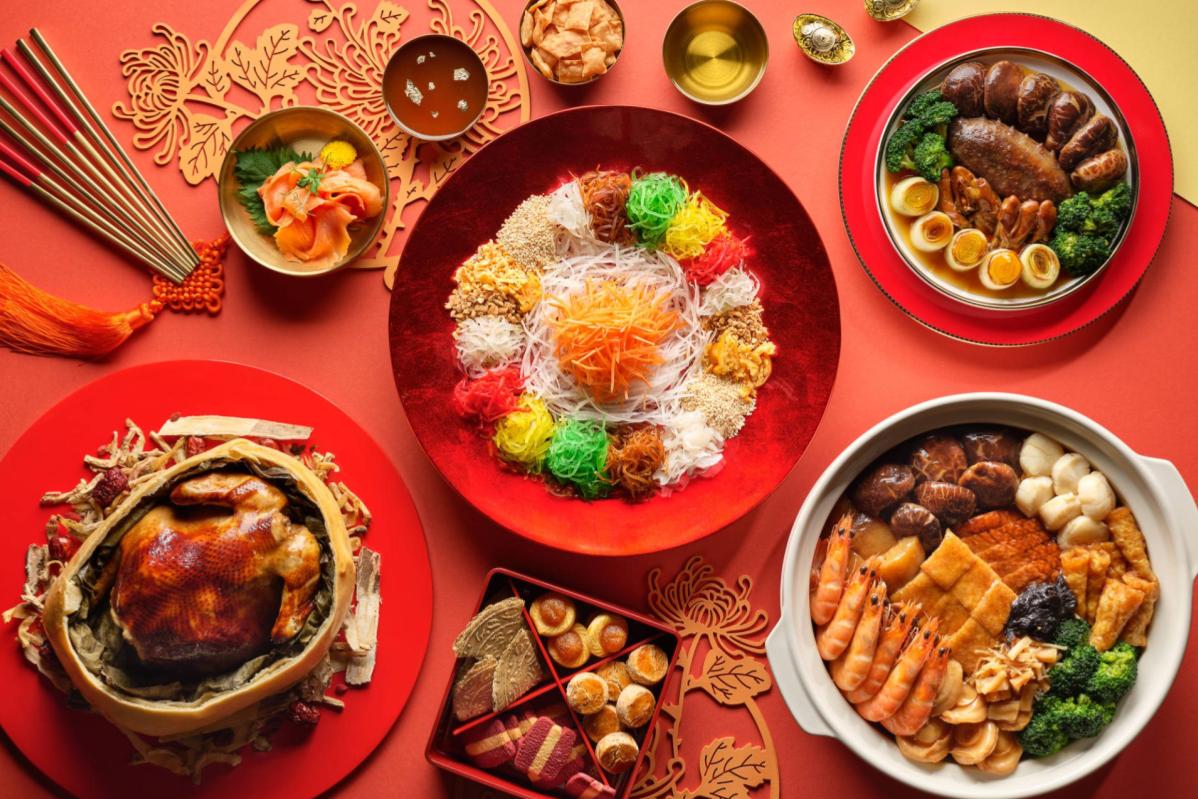
In Chinese tradition, serving a whole chicken during the Chinese New Year reunion dinner symbolise family unity, prosperity, and good fortune, with the word “鸡” sounding like “吉,” means “luck” wishing for blessings within the family. It can be served either as Roasted Chicken or Steamed Chicken, accompanied by a special dipping sauce.
2. Prosperity Poon Choi
Poon Choi, also known as “盆菜” or prosperity Poon Choi, is a traditional Chinese New Year dish from the Hakka community in Hong Kong and Guangdong province. It is a communal dish served during reunion dinners, symbolising abundance, prosperity, and unity among family and friends. The dish is layered with premium fish, meats (such as roasted pork, poultry, or duck), vegetables, mushrooms, and other delicacies. It symbolises richness, generosity, and the aspiration for a prosperous year ahead.
Explore more articles to discover ways to enhance your Chinese New Year celebration:
- Best Chinese New Year Wishes and Greetings
- Best Chinese New Year Gifts in Malaysia
- Best Chinese New Year Hampers in Malaysia
- Best Chinese New Year Outfits in Malaysia
10 Best Traditional Food For Chinese New Year in Malaysia 2025: Year of the Dragon
1. Yee Sang “鱼生” – Prosperity
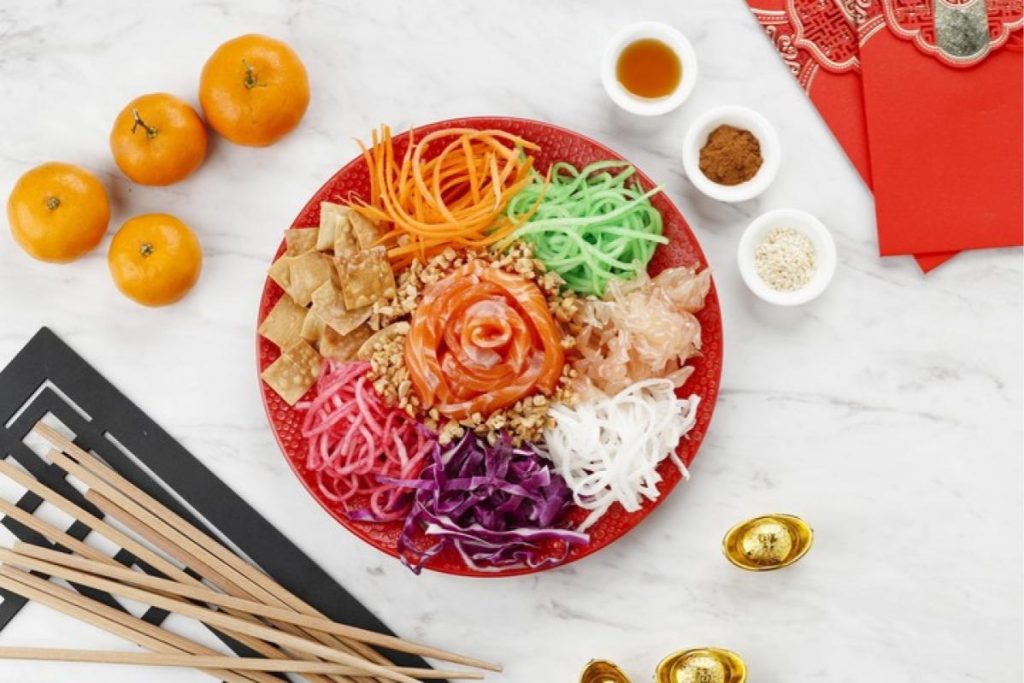

The Prosperity Toss (Yee Sang), a favoured dish served at the reunion dinner, comprises a vibrant salad with shredded vegetables, raw fish, and a variety of condiments. Each ingredient carries symbolic significance; for instance, carrots symbolise good luck, while radishes represent prosperity. Typically finished with a tangy-sweet sauce, the dish involves everyone at the table participating in tossing the salad together. This shared act creates an animated and jubilant atmosphere, fostering a sense of togetherness and excitement. Nowadays, there are trendy versions of Yee Sang “鱼生”, such as the Fish & Gold Ingot Style and Vegetarian Fruity Style.
Do you know that each ingredient added to Yee Sang represents a wish for the new year? Don’t forget, to have your Yee Sang with your friend and family in this prosperous Dragon year of 2025. Here are some common interpretations that you can refer to:
- Raw Fish (usually salmon): Represents abundance, surplus, and wealth (“nian nian you yu” – 年年有余), as the word for fish (“yu”- 鱼) sounds like “surplus” or “extra.”
- Shredded Vegetables such as carrot and cucumber: Symbolise abundance and vigor “丰富和活力”. The mixing and tossing of these vegetables represent a flourishing year filled with growth and opportunities “成长和机遇的蓬勃发展的一年”.
- Pomelo or Lime: Represents luck and auspiciousness “运气和吉祥”. The sourness of the fruit is thought to drive away bad luck “驱走厄运”.
- Sesame Seeds: Symbolise flourishing business “生意兴隆” and growth in all aspects of life “生活各方面的增长”.
- Crushed Peanuts: Signify a household filled with gold and silver “家中富裕和财富”.
- Crushed Crispy Crackers: Symbolise a solid foundation for the year ahead “未来一年的稳固基础”.
- Plum Sauce or Sweet Sauce: Represents harmony “和谐”, sweetness in life “生活甜蜜”, and togetherness with loved ones “与所爱之人的团聚”.
- Five Spice Powder: Symbolise the balance and harmony in life “生活的平衡和和谐”.
- Vegetable Oil or Condiments: Represents the wish for a smooth and easy path in life “财富和未来繁荣的象征”.
2. Dumplings “饺子”-Wealth

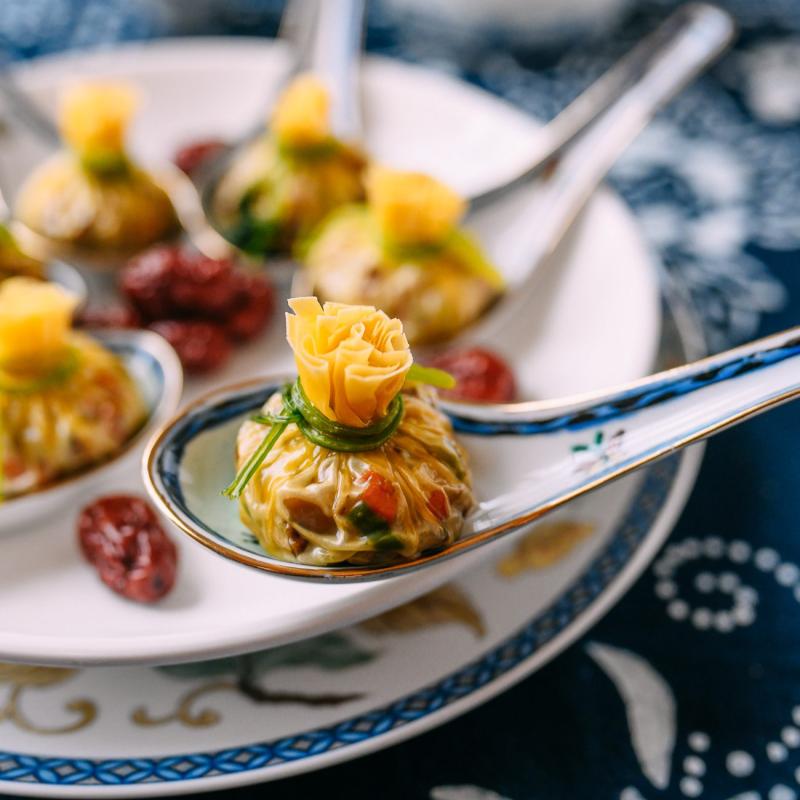
During the Chinese Lunar New Year, dumplings are a traditional food and are considered symbols of luck and wealth. The shape of dumplings symbolises ancient Chinese gold ingots “古代的元宝”, hence eating dumplings signifies welcoming wealth and good fortune in the new year. Families gather together to make dumplings, a tradition that not only strengthens the bonds among family members but also creates unforgettable memories. Dumplings come with a variety of fillings such as meat, vegetables, and seafood, catering to different tastes. Due to their symbolic significance and cultural heritage, dumplings have become an indispensable element of Chinese Lunar New Year celebrations.
In our Chinese culture, certain ingredients that we believed to bring luck and prosperity when included in dumplings, especially during festive occasions like the Chinese New Year. Some ingredients considered lucky for Chinese dumplings include:
- Cabbage “白菜“: Represents wealth and prosperity “财富和繁荣”.
- Green Scallions “葱“: Symbolise intelligence “聪明”, wisdom “智慧”, and longevity “长寿”.
- Mushrooms “香菇“: Represents good fortune, wealth and prosperity “好运和财富”.
- Chinese Chives “韭菜“: Symbolize everlasting love “恒久的爱情” and bring good luck in relationships “良好的人际关系运势”.
- Pork “猪肉“: Represents wealth and abundance “富裕和丰富”.
- Ginger “姜“: It is believed to ward off evil spirits and bring good luck “驱邪并带来好运”.
- Sesame Oil: Represents smoothness and the potential for a smooth year ahead”顺利和一年的顺利展望.
3. Whole Chicken “全鸡” – Good Luck


During the Chinese Lunar New Year, a whole chicken “全鸡” is regarded as a significant traditional food symbolising reunion and good fortune “团聚和好运”. The shape of the whole chicken signifies completeness, “完整” representing family harmony and prosperity “家庭的和睦和繁荣” in the upcoming year. Cooking a whole chicken marks the start of the new year, often prepared through steaming or roasting to retain the chicken’s tender texture. This traditional dish not only reflects the importance of family reunions but also carries hopes and blessings for the new year “新年的美好祝愿”. In Chinese Lunar New Year celebrations, the whole chicken serves as a vital symbol of auspiciousness and joy “吉祥和欢乐”, becoming an integral part of the festivities. You can purchase your chicken straight from a supplier or at a grocery store.
4. Prosperity Poon Choi “盆菜” – Treasure Pot of the Year
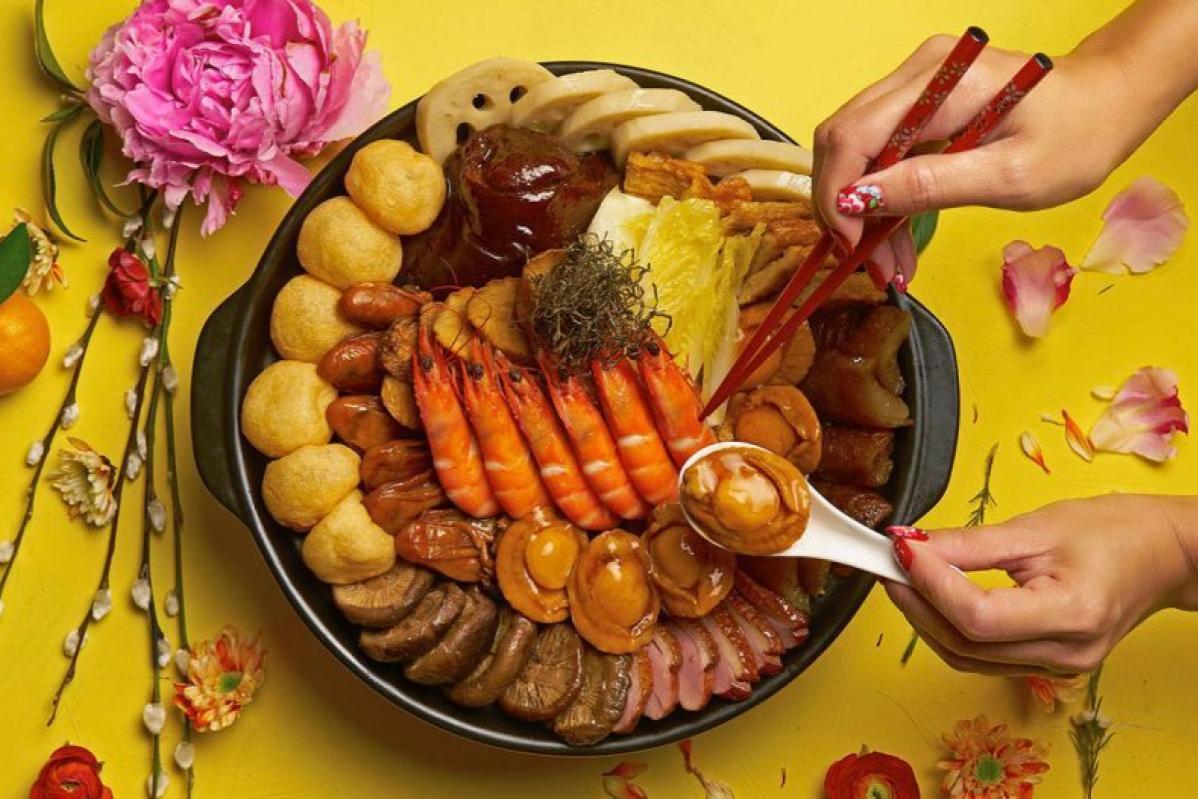

Poon Choi “盆菜” is considered a significant traditional delicacy symbolising wealth and reunion “富贵和团圆”. Presented in the form of treasure pot “聚宝盆” it is a large dish that combines various layers of ingredients. The meat version of Poon Choi typically includes roasted duck, pork, chicken, and other meats, symbolising opulence and abundance. In contrast, the vegetarian Poon Choi substitutes meats with a variety of vegetables and tofu, offering a diverse selection of vegetarian options. Both versions of Poon Choi embody the significance of New Year reunions and auspiciousness, serving as vital dishes in the celebratory events, allowing people to experience different flavours and symbolic meanings through the culinary delights.
In this Year of the Dragon, you can consider adding these ingredients to your Poon Choi as a wish for increased prosperity for your friends and family.:
- Abalone “鲍鱼“: Abundance “丰裕”, good fortune “好运”, and wealth “财富”.
- Dried Oysters “蚝干“: Good luck and prosperity “好运和繁荣”.
- Sea Cucumber “蚝干“: Wealth, status, and prosperity “财富、地位和繁荣的象征”.
- Prawns “虾“: Happiness and liveliness “幸福和活力”
- Dried Mushrooms “香菇“: Longevity and growth “长寿和成长”.
- Chicken Meat “鸡肉“: Family unity and happiness “家庭团结和幸福”.
- Roasted Pork “燒肉 “: Wealth and abundance “富裕和丰富”.
- Vegetables “蔬菜“: Vitality and growth “生机和成长”.
- Tofu “豆腐”: Happiness and fulfillment “幸福和满足”.
- Fish Balls or Fish Slices “鱼丸或鱼片“: Surplus and abundance for the year ahead “来年的多余和丰盛”.
- Lotus Root “莲藕”: Abundance and harmony “丰裕和谐”.
- Scallops “扇贝“: Wealth and good fortune “财富和好运”.
5. Sweet Rice Balls “汤圆” – Family Unity


Sweet Rice Balls – Tang Yuan “汤圆” is a traditional food symbolising reunion and happiness. It is a type of round glutinous rice ball made from glutinous rice flour. Sweet Tang Yuan “甜汤圆” is typically filled with sweet fillings like sesame or sweetened bean paste, offering a delightful and sweet taste. In contrast, savoury Tang Yuan “咸汤圆” uses fillings such as savoury meats or vegetables, providing a slightly salty taste. Both variations of Tang Yuan, with their different flavours, carry the significance of reunion and blessings “团圆和幸福”. They are popular foods during the Lunar New Year celebrations, allowing people to relish the pleasures of diverse tastes through these culinary delights.
6. Whole Fish “鱼” – Surplus of the Year

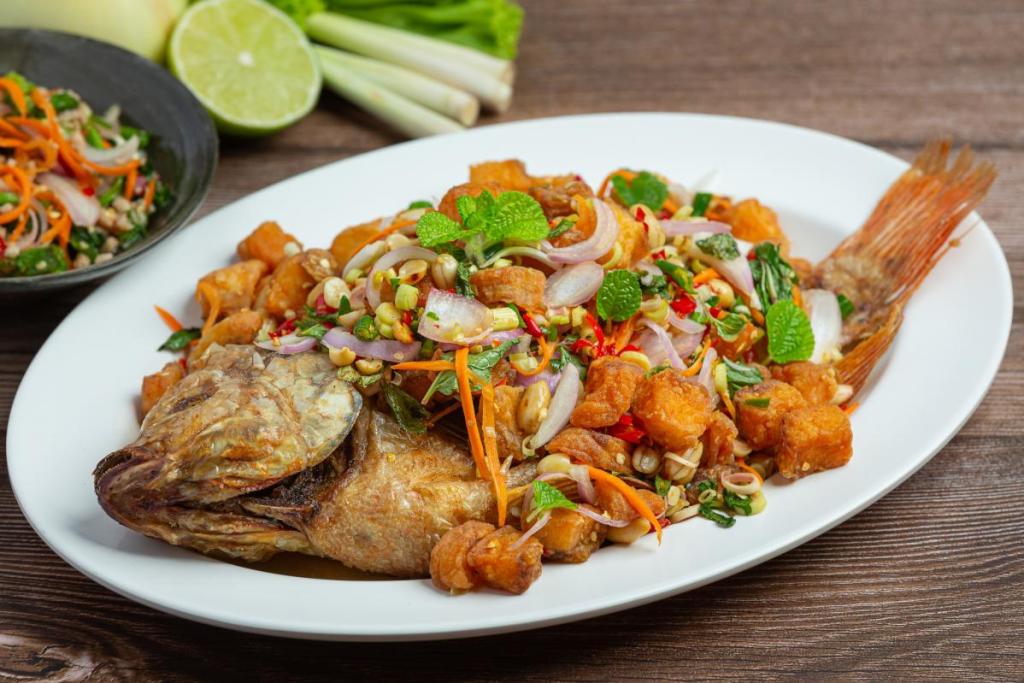
Fish symbolises abundance and good luck “丰裕和好运” in Chinese tradition, linked to the phrase “年年有余” (nián nián yǒu yú) meaning “surplus every year.” This phrase signifies a wish for ongoing abundance and prosperity. As it sounds similar to the word for “fish” (鱼 – yú) in Chinese, fish is a popular dish during Lunar New Year celebrations, representing wishes for continual prosperity. Prepared whole, fish undergoes various cooking styles – Nyonya-style with spices and coconut milk, Teochew-style commonly steamed, soy sauce steaming with ginger and chili toppings, and Thai-style frying with distinctive flavours. These methods offer diverse tastes, all symbolising wealth and fortune for the New Year. Before deciding which fish to prepare or eat during this Chinese New Year 2025, let’s familiarize ourselves with the fish believed to bring luck to you and your family.
- Crucian carp “鲫鱼”: The sound of 鲫鱼 ” jìyú ” sound alike with Chinese word of 吉 “jí ” which mean good luck.
- Chinese mud carp “鲤鱼”: In the Chinese word of 鲤鱼 “lǐyú”, the initial part sounds similar to the word for gifts 礼 “lǐ “. Just like wishing you to have a good fortune.
- Catfish “鲶鱼”: The word for 鲶鱼 “niányú” in Chinese sounds like 年余 (nián yú), which means ‘year surplus’. Wishing you to have a surplus and abundance in the upcoming year.
7. Glutinous Rice Cake “年糕” – Rising Star in your Career

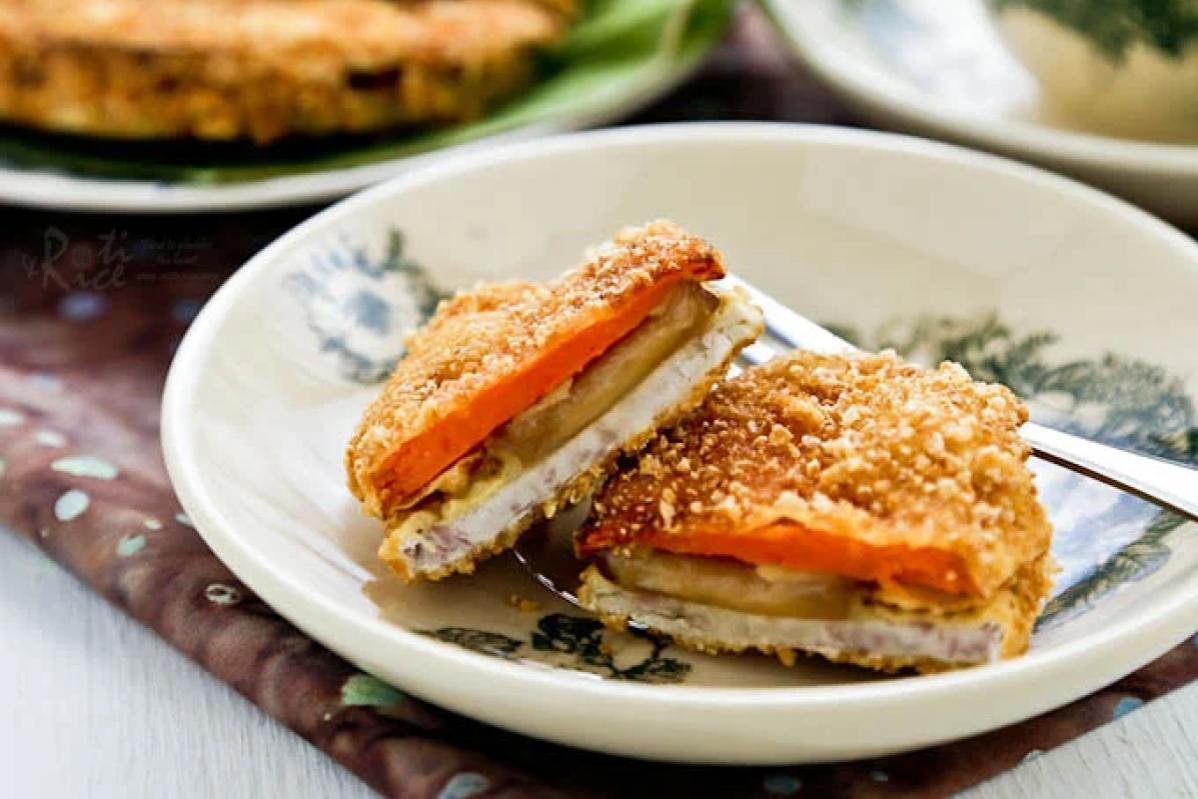
Glutinous Rice Cake “年糕” (nian gao) is a traditional delicacy symbolising progress and reunion. “步步高升”(Bù bù gāo shēng) means “steadily rising” or “making progress step by step” signifying achieving greater heights and progress in the new year.It is made from glutinous rice flour. Glutinous Rice Cake recipe such as Chocolate Glutinous Rice Cake Recipe, Fried “nian gao” (炸年糕) is often prepared by frying with sweet potatoes and taro and steamed “nian gao” (蒸年糕) tends to have a lighter taste with coconut flakes,
8. Tangerine and Mandarin Orange “橘子” – Good Fortune

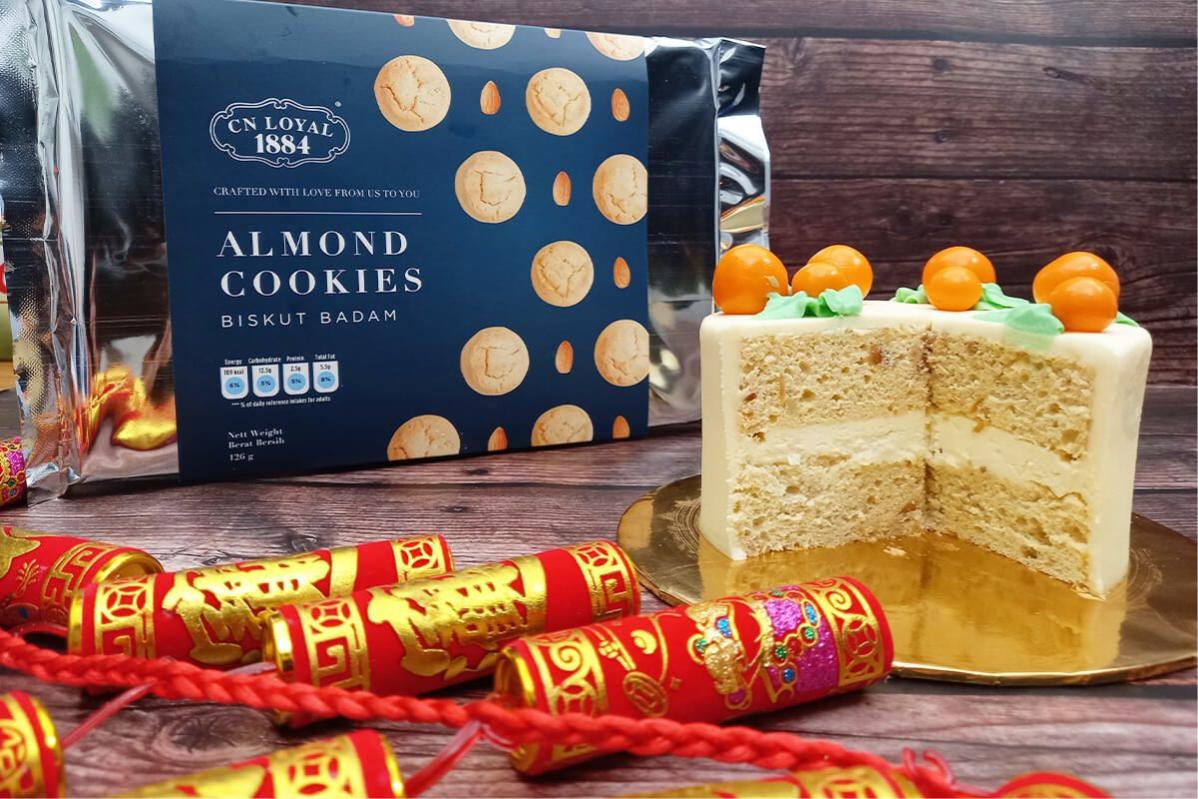
Tangerine “蜜桔” and Mandarin oranges “柑” or “橘子” symbolise good fortune and auspiciousness “大吉大利”. It conveys the idea of great auspiciousness “吉”, great happiness “幸福”, and great smoothness “顺利”. Fresh mandarins are enjoyed as sweet, fresh fruits. In cooking, mandarin peels are used to make candied peels and marmalades, while mandarin juice serves as a flavouring or sauce in dishes, imparting a sweet and tangy taste. Besides that, it also can be make into cake too. Most Chinese New Year gift hampers include oranges which serve as a wonderful gift to your relatives.
9. Longevity Noodles “长寿面” – Health & Longevity


Longevity Noodles, represented by “长寿,” symbolise wishes for a long life “长命” and healthy life “健康生活”, conveying good wishes to the elderly. They are commonly used in celebratory occasions and gatherings. Vegetarian Longevity Noodles are typically made with ingredients like vegetables and tofu. Additionally, Longevity Noodles can be cooked with ingredients such as pork, chicken, or beef to enhance richness and add deliciousness to the taste. Both versions carry the significance of blessings and celebrate longevity.
10. Prawn “虾” – Happiness

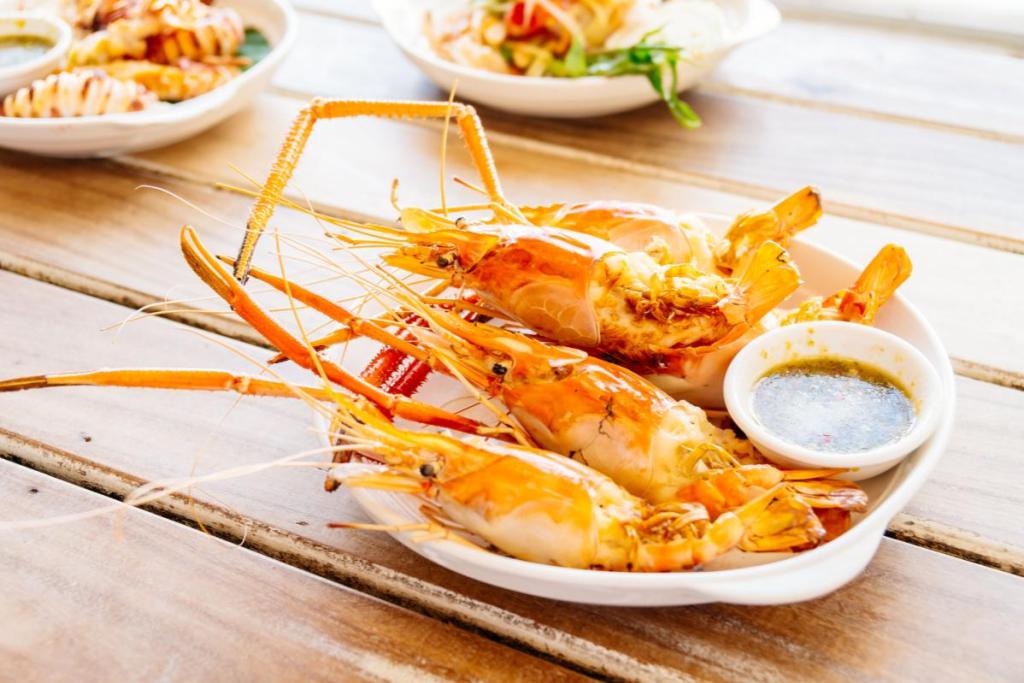
During the Chinese Lunar New Year, Chinese people have a particular fondness for prawns, especially larger varieties like big head prawns, king prawns, and tiger prawns. The pronunciation of prawns “虾” in Chinese sounds akin like laughter word, “哈” symbolising laughter and happiness “哈哈大笑”. Throughout the Spring Festival, prawns are enjoyed prepared in various culinary styles. Common prawn recipes include salt-baked prawns, steamed prawns, prawn fried rice, and prawn stir-fried noodles. These delicious dishes serve as symbols of wealth and celebration, signifying a way to welcome the new year.
Grab Your Complimentary Lazada Voucher 【Here】
Tons of Shopee Cashback Deals 【Here】
Disclosure: This list was compiled by the team at My Weekend Plan after extensive research and shared opinions to suggest helpful recommendations for the public. The sequence of brands is in no particular order so if you have any other great suggestions too, please email us support@myweekendplan.asia. For more information, kindly refer to our copyright, privacy & disclosure policy.