
Chinese New Year is a time filled with ancient traditions and customs that hold great significance for the Chinese people. The actions taken during this festive season are believed to greatly influence one’s luck and fortune in the coming year. They meticulously adhere to these ancient rules to honour their cultural heritage and ensure a prosperous and auspicious start to the lunar year.
Understanding and respecting these customs will give you insight into the deep-rooted beliefs and practices that shape Chinese New Year celebrations and learn how to navigate this joyous occasion with cultural sensitivity and respect. Let’s dive into the intriguing world of Chinese New Year traditions and discover the dos and don’ts that guide this auspicious time.
Why Do the Chinese Need to Adhere to Traditions and Avoid Taboos?
In Chinese culture, following traditions and avoiding taboos are deeply rooted practices influenced by historical, philosophical, and cultural factors. These traditions and taboos are essential for maintaining social harmony, respecting ancestors, and preserving cultural identity.
Reasons for Following Traditions:
- Cultural Identity
Chinese traditions are integral to the country’s cultural heritage. By adhering to these traditions, individuals express their connection to their cultural roots and contribute to preserving their heritage. - Social Harmony
Many Chinese traditions promote harmony within families, communities, and society. Following these traditions, individuals strive to maintain peace and stability within their social circles. - Respect for Ancestors
Chinese culture places great emphasis on honouring ancestors. Following traditions is a way to show respect for those who came before and to acknowledge their contributions to the family and society.
Avoiding Taboos:
- Respect and Politeness
Avoiding taboos in Chinese culture shows respect and politeness towards others. Certain words, actions, or behaviours are considered taboo as they may be seen as disrespectful or inauspicious. - Superstitions
Some taboos are based on superstitions and beliefs in auspicious and inauspicious omens. Avoiding these taboos is thought to bring good luck and ward off misfortune. - Preserving Harmony
Like following traditions, avoiding taboos also aims to preserve harmony and prevent conflicts within relationships and society.
Begin the festive day with well-wishes and indulge in traditional Chinese New Year food:
18 Chinese Traditions & Taboos You Should Know in Malaysia 2024
Chinese New Year Traditions You Must Follow
1. Spring Clean the House – Wipe Out Bad Luck

Cleaning the house before Chinese New Year symbolizes a new beginning, embracing the upcoming year with a tidy and harmonious living space. The tradition suggests that thorough cleaning helps eliminate any lingering bad luck or negative energy from the previous year, creating room for good fortune and prosperity to enter the home in the coming year.
2. Wear Red Colour and New Clothes

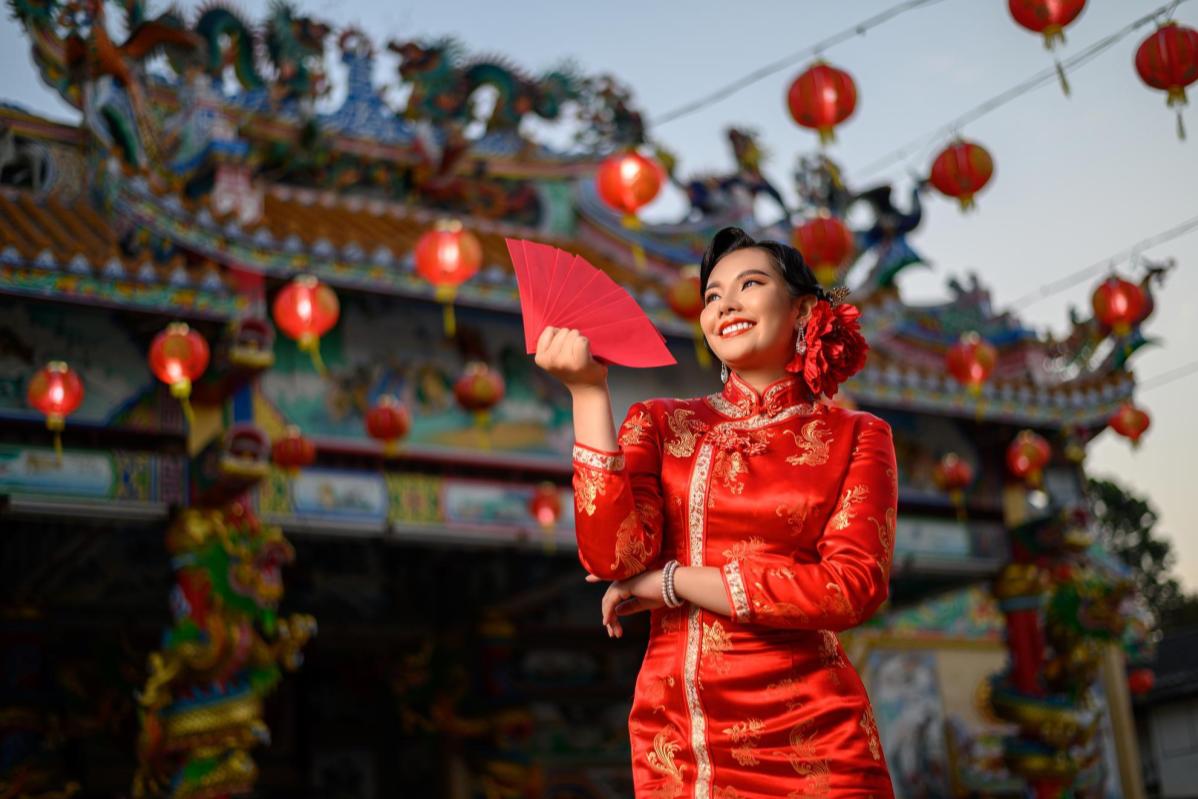
The colour red is considered auspicious, representing good luck and success. When engaging in activities like mahjong, wearing red underwear is particularly fortunate. They also bid farewell to the old and don new clothes for the Chinese New Year because doing so symbolises a fresh start to the year.
3. Receive the Red Packets for a Prosperous Year
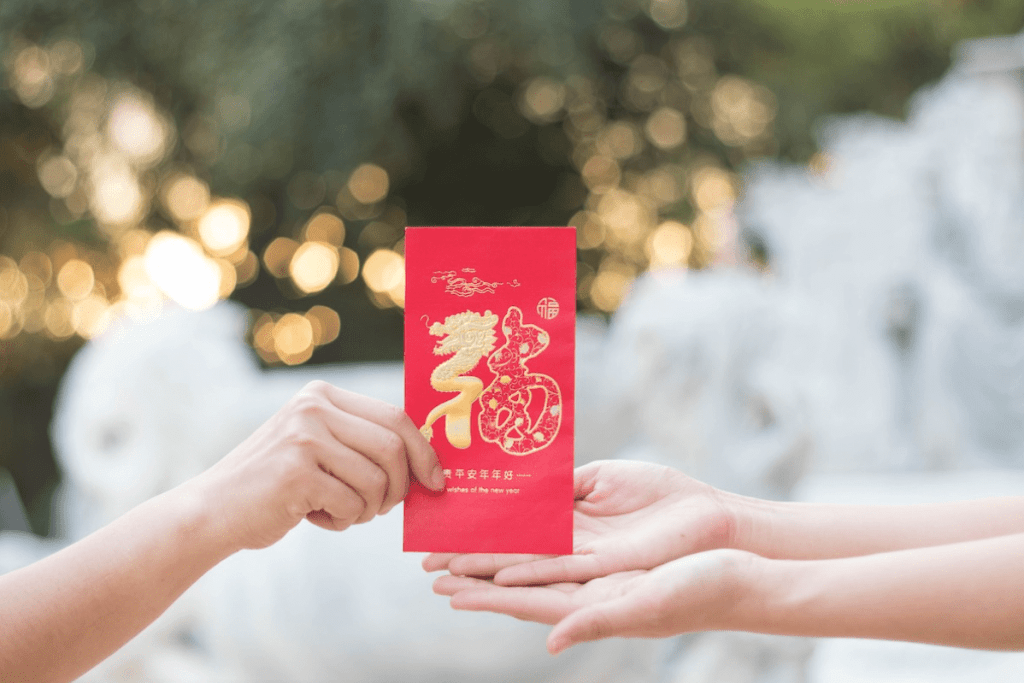
During Chinese New Year, it is a tradition for elders, bosses, and married individuals to distribute lai see, also known as red packets. It is essential to familiarise yourself with Chinese New Year greetings and wish them a prosperous year. Red packets containing lucky money are often presented to children to tuck under their pillows, symbolising the warding off of evil spirits and expressing wishes for a healthy new year.
4. Eat Mandarin Oranges – Good Luck
Various Chinese New Year foods and snacks await you during the holiday season. In Cantonese, the term for mandarin orange (柑) sounds similar to the words “gold” (金) and “luck” (吉). As per tradition, it is common for people to eat mandarin oranges together with their family and friends during CNY.
5. Set Off Fireworks – Scare Evil Spirits

Lighting firecrackers and fireworks is a significant tradition to celebrate the arrival of the New Year, enhancing the overall festive atmosphere. Hence, setting off more fireworks or firecrackers is encouraged, as it brightens the night sky with a colourful display and is believed to ward off evil spirits.
6. Indulge in a Festive Feast On CNY Eve

In traditional practice, families come together on the eve of Chinese New Year to partake in a lavish meal featuring festive dishes like poon choi. This traditional Cantonese casserole is filled with layers of ingredients of luck and fortune. The meal also often includes foods associated with wealth, such as fat choy (black moss) and dried oysters.
7. Enjoy Dumplings – Great Financial Prosperity

Dumplings hold traditional significance as a symbol of luck and are not just a staple during Chinese New Year. The Chinese name for dumplings, ‘jiaozi,’ conveys the idea of changing years. Legend has it that the more dumplings you consume during New Year celebrations, the greater your potential for financial prosperity in the upcoming year.
Taboos You Can’t Do During Chinese New Year
8. Don’t Clean the House During Chinese New Year
Before the holiday begins, it is customary for the whole family to engage in spring cleaning, eliminating any remnants of last year’s misfortune or mishaps. However, on the first day of the Chinese New Year, cleaning the house is prohibited as it represents sweeping away the household’s fortune for the new year.
9. Don’t Wash Clothes on the First Two Days of CNY

The first two days of Chinese New Year are considered the birthday of the Water God (水神), and it is customary for people to refrain from washing clothes during this period. This explains the common sight of families hurrying to complete all laundry before the arrival of the Chinese New Year.
10. Don’t Break Things – Shun Financial Loss
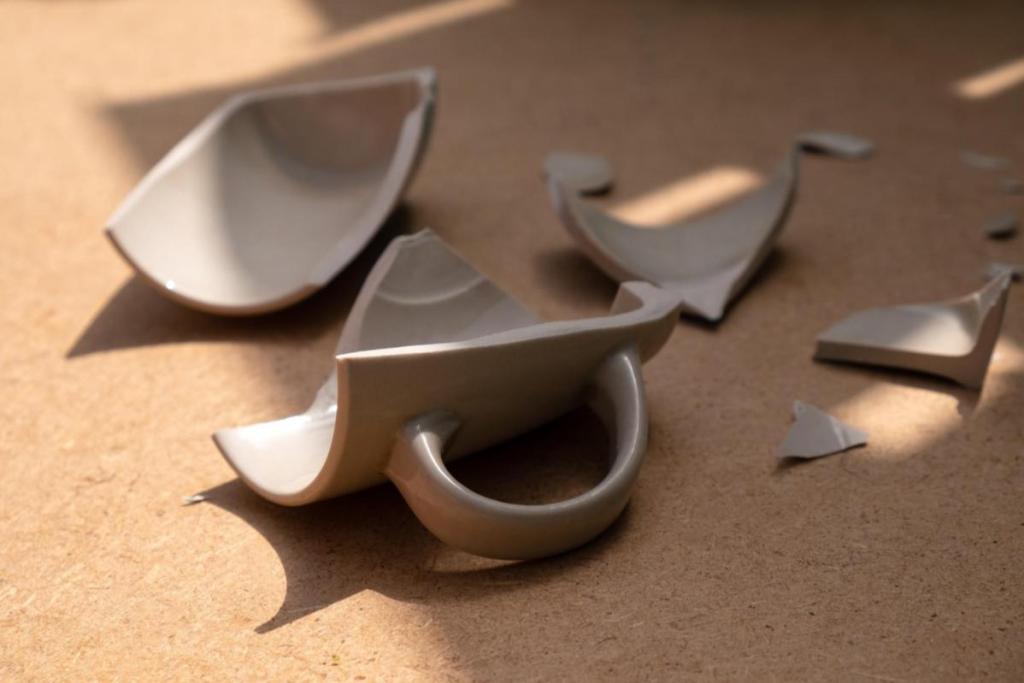
Avoid breaking bowls, plates, mirrors, vases or glasses, as it is believed to bring about financial loss and family discord in the future. In case of an unintentional breakage, gather the fragments and wrap them in red paper or cloth. Dispose of the wrapped fragments on the fifth day of the New Year. Alternatively, utter “Sui Sui Ping An,” meaning “safe and sound every year.” The Chinese characters for Year (岁 Sui) and Broken (碎 Sui) share the same pronunciation, and people use these homophones to ward off bad luck.
11. Don’t Say Bad Words Throughout the Spring Festival
The initial focus should be on your choice of words. It is advisable to avoid expressions with negative connotations in daily conversations, including words like breaking, running out, death, ghost, killing, sickness, pain, losing, and poverty. These words should be substituted throughout the Spring Festival with more positive alternatives.
12. Don’t Eat Porridge on the 1st Day of CNY Morning

Having porridge for breakfast on the morning of the first day is considered a taboo. In the past, as rice porridge was a meal affordable only for the less fortunate, it meant a modest and challenging life. Consequently, people typically opt for dumplings as their first meal of the New Year.
13. Take Medicine or Go to the Hospital until the Lantern Festival

It is suggested not to take medicines or see a doctor until the Lantern Festival to avoid suffering from illnesses throughout the year with minimal chances of recovery. While this advice is rooted in Chinese New Year superstitions, it is advisable to follow this tradition unless facing severe illness.
14. Don’t Cut Your Hair or Wash It – Prevent Washing Away Your Fortune
On the first day of Chinese New Year, washing or cutting your hair is considered inauspicious. The word for hair, “fatt” (髮), sounds similar to the word for “getting rich” (發). Washing or cutting hair off is believed to symbolise washing away one’s fortune and significantly diminishes the likelihood of prosperity in the upcoming year.
15. Don’t Lend or Borrow Money – Avoid Bad Luck

Lending money on New Year’s Day is discouraged, and all outstanding debts should be settled by New Year’s Eve. If someone owes you money, it is advised not to visit their home to demand payment, as doing so is believed to bring bad luck throughout the year.
16. Don’t Cry During CNY – Avoid Misfortune
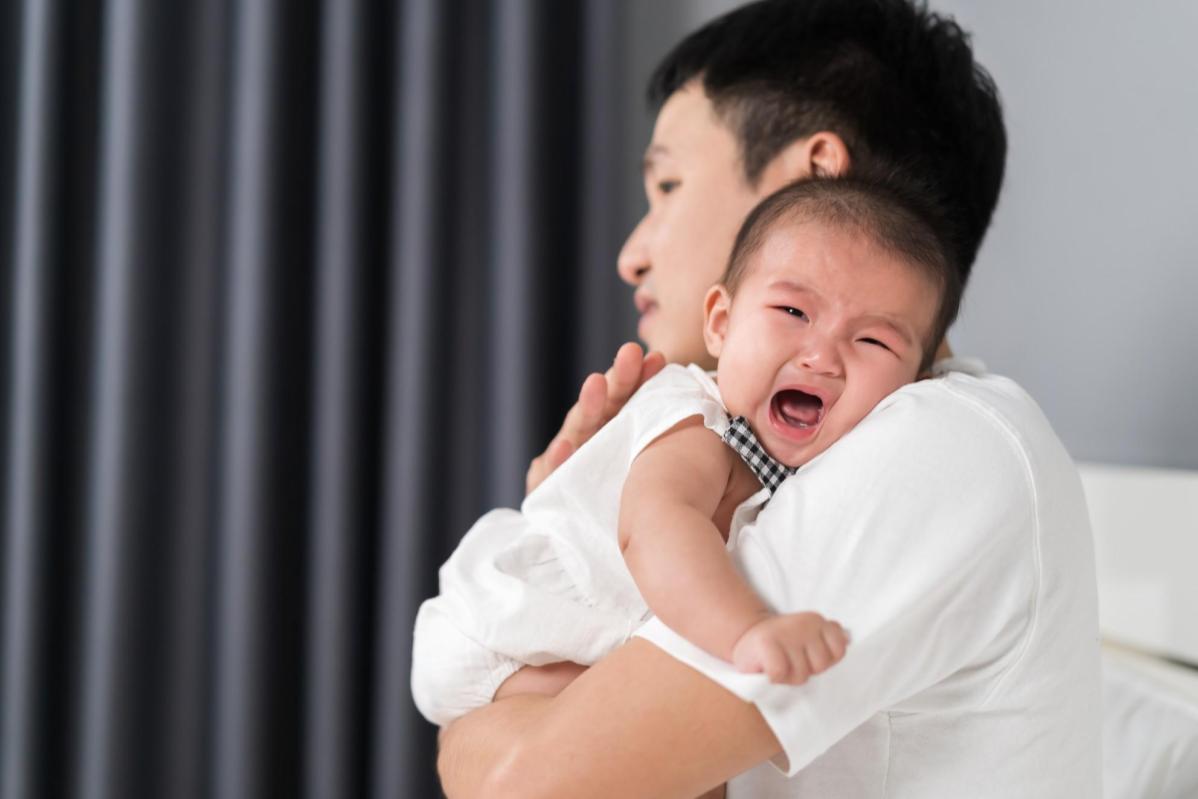
The belief is that the cries of children can signal the onset of illness and misfortune, potentially bringing bad luck to the entire family. Hence, to prevent children from crying during the festival, parents are advised not to punish their kids, even if they make mistakes or exhibit naughty behaviour.
17. No Books Allowed on Manjong Day
In Cantonese, the word for “books” (書) sounds the same as “losing” (輸). This represents a significant Chinese New Year tradition to remember, especially when parents and grandparents are engaged in mahjong.
18. No Scissors or Knives on 1st Day of CNY
The blades of scissors are considered akin to sharp lips during quarrels. Using scissors on the first day of Chinese New Year is believed to invite conflicts with others in the upcoming year. Similarly, the use of knives should be avoided due to the belief that any accidents, whether causing harm to a person or tool, are associated with inauspicious events and potential depletion of wealth in the coming year.
Grab Your Complimentary Lazada Voucher 【Here】
Tons of Shopee Cashback Deals 【Here】
Disclosure: This list was compiled by the team at My Weekend Plan after extensive research and shared opinions to suggest helpful recommendations for the public. The sequence of brands is in no particular order so if you have any other great suggestions too, please email us support@myweekendplan.asia. For more information, kindly refer to our copyright, privacy & disclosure policy.