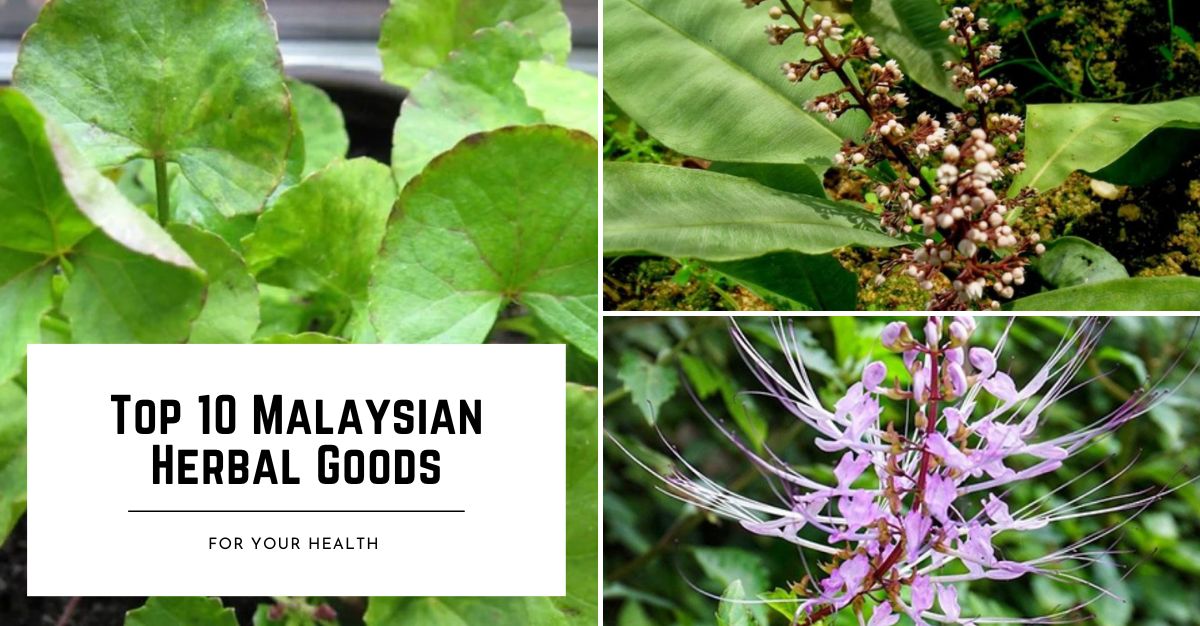
Dissatisfaction with conventional treatment, previous favourable experiences, positive elements connected with herbal medicine, and family traditions were the most often stated reasons why herbal medicine was preferred as treatment in Malaysia.
Herbal medicines and treatments contain active ingredients from plant parts such as leaves, roots, and flowers. Even so, just because they’re “natural” doesn’t imply they’re safe to consume. Herbal medicines, like conventional drugs, affect the body and can be potentially harmful if not used appropriately. Here are the top 10 Malaysian herbals that are good for your health that you might consider consuming.
Is Herbal Medicine Harmful?
Like other prescription medications, herbal medicine should always be prescribed by a skilled and certified practitioner. It is important to consult a professional as to whether or not your illness can be cured or treated using herbal medicine.
What are some standard applications of herbal treatment?
Herbal medicine has been used for many things, such as lessening pain, boosting the immune system, relieving anxiety, and improving digestion. For example, echinacea and garlic are herbs often used to deter or treat colds.
10 Malaysian Herbals Good for Your Health 2026
1. Tongkat Ali

Eurycoma longifolia (Tongkat Ali) is a flowering Simaroubaceae plant endemic to Indonesia, Malaysia, Vietnam, Cambodia, Myanmar, Laos, and Thailand. E. longifolia is a popular Asian aphrodisiac and malaria treatment. In folk medicine, E. longifolia root extract treats sexual dysfunction, ageing, malaria, cancer, diabetes, anxiety, aches, constipation, exercise recovery, fever, improved energy, enhanced strength, leukaemia, osteoporosis, stress, syphilis, and glandular swelling. Tongkat Ali may lower stress, anxiety, and mood. In a 1999 study, Tongkat Ali extracts reduced anxiety in mice and a typical anti-anxiety medication, suggesting its potential use in mood disorders.
Tongkat Ali improves body composition. Tongkat Ali boosts athletic performance and muscle mass. Quassinoids like eurycoma side, euryco lactone, and eurycomanone may improve energy use, endurance, and tiredness. A 5-week trial of 14 strength-training males showed that 100 mg of Tongkat Ali extract per day enhanced lean body mass more than a placebo. Tongkat Ali causes sleeplessness, irritability, and restlessness. Tongkat Ali has been shown to boost testosterone levels by 37% in 12 weeks. One experiment gave 200 mg of Tongkat Ali extract daily for eight weeks. Free testosterone increased by 28% after four weeks. Boosting testosterone can increase physical performance, sexual function, and libido. According to studies, men with higher testosterone levels ran faster, were more muscular, and had lean muscle mass.
Pros:
- Boost male fertility
- Relieve stress
- Improve body composition
2. Gotu Kola

The herbaceous perennial plant Centella Asiatica, also called Gotu Kola, Indian pennywort, and Asiatic pennywort, belong to the Apiaceae genus of flowering plants. A swamp plant native to Southeast Asia, Madagascar, India, Sri Lanka, China, Mexico, some regions of South America, and South Africa is called pegaga (Hydrocotyle vulgaris), often known as pennywort. Herbal treatments use dried leaves and stems. Gotu Kola is also known as the “fountain of youth” in Chinese. According to a Sri Lankan myth, elephants live a long time because they consume Gotu Kola. The herb Centella Asiatica can aid with memory and brain function improvement.
It is regarded as a natural therapeutic and inhibitor of the advancement of Alzheimer’s disease because of its abilities as a memory enhancer. Several test findings have shown that pegaga ingestion improves cognitive abilities. The herb was discovered to “enhance the activity of a pathway linked with long-term memory formation” in a study published in the Journal of Alzheimer’s Disease. Moreover, it is beneficial because it enhances the clarity and quality of the skin. Beta carotene, phytonutrients, amino and fatty acids, and other abundant nutrients found in Gotu Kola are excellent for reducing inflammation, accelerating healing, enhancing circulation, and promoting cell growth. Because of rapid cell development and enhanced collagen formation, the skin is revitalised.
You can consider it your natural all-in-one beauty treatment because it strengthens hair and nails on the side. Gotu Kola helps with detoxification and digestion. Each time you consume Gotu Kola, which has mild diuretic characteristics, you help flush out impurities, which reduces inflammation in the body, increases energy, and eventually leads to weight loss. All of this is accomplished while preserving the body’s delicate fluid balance. Do not be shocked if you start feeling “lighter” and clean immediately.
Pros:
- Treat varicose veins
- Enhance blood circulation
- Treat wound healing
3. Kacip Fatimah

A herbaceous shrub with creeping rhizomes is called Kacip Fatimah. Their leaves are roughly erect, dark green with a lighter green border. The petioles are short and a little bit flattened. The upright stem is dark brown and bears clear signs of leaf damage. The stem’s nodes can root, and older nodes have roots sticking out. For many years, Malay women have used Kacip Fatimah as a postpartum remedy to help the birth channel, rebuild bodily strength, regulate the menstrual cycle, avoid unpleasantness and relieve menopause symptoms. One of the most well-liked and effective components used in conventional herbal remedies or jams for afterbirth care is Kacip Fatimah. Traditional uses for Kacip Fatimah include improving sexual performance, tightening and lubricating the body, and maintaining a healthy female reproductive system. Labisia pumila is called Selusuh Fatimah (literally, Fatimah’s childbirth remedy) in Malaysia.
Due to its nutritional value, which benefits women’s health, Kacip Fatimah is frequently added to medicines and health drinks. Due to this, Kacip Fatimah has drawn the interest of national and international academics who wish to learn more about its medicinal advantages. Upcoming clinical investigations demonstrate promising results on the prospective usage of Kacip Fatimah as having antioxidant and anti-ageing effects in addition to its application to facilitate delivery and throughout confinement. These findings led other local producers to include Kacip Fatimah in their healthy foods and beverages. Nevertheless, no human clinical investigations have been conducted to support these.
Pros:
- Regain body strength
- Improve female reproductive system
- Ease menopausal symptoms
4. Orthosiphon Aristatus

A traditional plant known as Misai Kucing in Malay, or “cat’s whiskers”, is commonly cultivated in tropical regions. Diabetes, kidney and bladder problems, high blood pressure, and bone or muscular pain are among the conditions they are typically used to treat. Misai Kucing is an effective diuretic because it contains phytochemicals that “relax” the internal vessel walls’ muscles, making it easier for urine and microscopic particles that can form stones to flow through. Its diuretic impact aids in treating excessive blood pressure, kidney stones, and gout. Misai Kucing aids in lowering the body’s water retention and the effectiveness of the diuretic Misai Kucing has been established. Urination aids in removing extra water from the body. It has a lot of potassium, which helps replace the electrolyte lost during detoxification or water excretion.
Misai Kucing also can remove the body’s impurities and cleanses the kidneys. Misai Kucing is particularly effective at detoxifying the body, natural and free of the side effects frequently associated with synthetic diuretics. Since Misai Kucing is an effective diuretic, it helps decrease the body’s water retention and urination aids in removing extra water from the body. It is natural and free of the side effects frequently associated with synthetic diuretics. Misai Kucing also lessens gout symptoms and inflammation. Its anti-inflammatory effects can aid in reducing swelling and discomfort, easing feelings of pain in the muscles and joints.
Pros:
- Improves urination
- Prevents kidney stones
- Regulates blood glucose and hypertension
5. Green Chiretta

The annual herbaceous plant Andrographis Paniculata often called creat or green chiretta, is a member of the Acanthaceae family and is indigenous to Sri Lanka and India. It is commonly farmed in Southern and Southeast Asia and is said to be effective against various illnesses and bacterial infections. Green Chiretta frequently grows erratically in grasslands and waste areas. Green Chiretta is typically grown for therapeutic uses in backyard gardens or pots in Malaysia. This plant is highly resilient and can thrive in various soil conditions. Moreover, Andrographis is utilised to treat a wide range of different ailments. It is used to treat infections like leprosy, pneumonia, tuberculosis, gonorrhoea, syphilis, malaria, cholera, leptospirosis, rabies, sinusitis, and HIV/AIDS as digestive complaints like diarrhoea, constipation, intestinal gas, colic, and stomach pain. It is also used to treat liver conditions like an enlarged liver, jaundice, and liver damage caused by medications.
The adverse effects of Andrographis include fatigue, nausea, runny nose, rash, diarrhoea, and vomiting. Andrographis may have adverse consequences, including enlarged lymph nodes, severe allergic reactions, elevated liver enzymes, and other adverse effects when used in high doses or for an extended period. Andrographis may help treat ulcerative colitis, tonsillitis, and the common cold by lowering fever and sore throat symptoms. According to a preliminary study, mesalamine and Andrographis extract both appear to lessen the signs and symptoms of inflammatory bowel disease.
Pros:
- Enhance immune system
- Treating diabetes
- Help weight loss
6. Phyllanthus
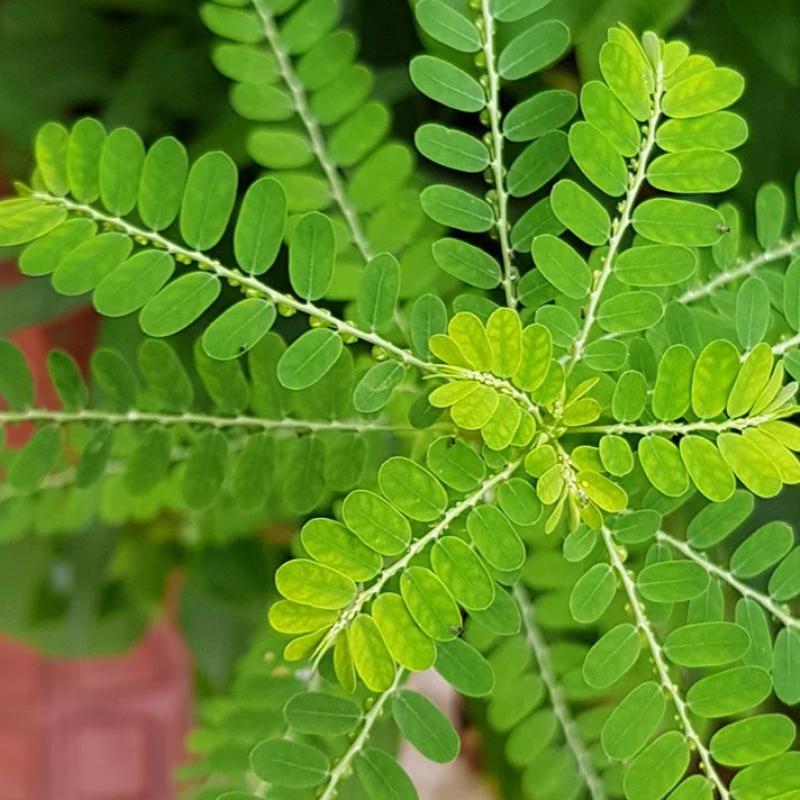
Cough can be treated with Phyllanthus (Dukung Anak) leaf decoction. Insect bites, diabetes, hypertension, kidney stones, pruritus, and diarrhoea are the conditions the herb frequently treats. In addition to being used as a diuretic and tonic for miscarriage, it is also used to treat syphilis and gonorrhoea. According to a study, Phyllanthus extract helps protect internal organs, particularly the liver and kidney. The Phyllanthus extract can aid the treating cholelithiasis of the liver or bile because it can reduce the production of calcium oxalate. Moreover, studies indicate that Phyllanthus effectively batters the Hepatitis B virus. A plant called Phyllanthus may have health advantages. Nevertheless, there needs to be more data to support its usefulness and safety due to a need for studies.
The following medical conditions, including urinary tract stones, may be helped by Phyllanthus. It may help break up or lessen the size of stones that develop in the urinary tract. Diuretics flush salt and water from the body. They can aid in treating various illnesses, including high blood pressure. Phyllanthus is a herb that some herbalists use as a diuretic. Teas and dietary supplement pills can be found with Phyllanthus leaves and extracts. Before consuming Phyllanthus, discuss it with a physician or other healthcare professional because it may have adverse effects and conflict with ongoing medical procedures.
Pros:
- Treat skin ulcers
- Reduce sores and swelling
- Treat malaria
7. Ficus Deltoidea

A herbaceous plant, Ficus Deltoidea (Mas Cotek), is used in Malay medicine. Ficus Deltoidea, also known as Sempit-Sempit in the states of Sabah, Sarawak, and the Kalimantan Islands, is the name given to this plant in science. The term “Mas Cotek” refers to the little golden spots on each leaf’s surface. Moreover, the fruit has a faint red mark on it. There are more than 80 different Ficus Deltoidea species in Malaysia. One of the focus Deltoidea family species is the plant known as ara. The mistletoe fig, or Ficus Deltoidea jack, is a member of the Moraceae family and is a scientifically recognised species. Mas Cotek, however, is not a parasite. The bird that consumed the seed is thought to have dispersed the seed. The various leaf shapes, some with rounded curves and others with elongated egg shapes, depict the various types. The leaf’s top is bright green, and its underside is golden yellow with black specks in the spaces between the leaf veins.
There are male and female Mas Cotek plant species. Male species have small, round, and lengthy leaves, while female species have large, rounded leaves. Indonesian women also traditionally utilise the entire Ficus Deltoidea plant as an aphrodisiac tonic and health tonic. Ficus Deltoidea fruits are traditionally chewed to cure toothache, colds, and headaches. The form of the leaf is the most apparent distinction between the male and female Mas Cotek species. The male Mas Cotek leaf is little, light, and tapered. The lower portion of the leaf has crimson dots. Typically, the leaf has one red spot. There are, however, some leaves that have two or three red spots. Compared to male Mas Cotek, female Mas Cotek has a larger leaf form, most of which are oval or spherical. The lower portion of the female Mas Cotek bears black dots as well. In addition, its leaf nerve appears more straightforward than the male Mas Cotek.
Pros:
- Relieve toothache
- Treat wound
- Reduce blood pressure
8. Roselle

A member of the Malvaceae family, Roselle is also known as Hibiscus Sabdariffa. It is commonly referred to as sour tea in Iran. Red Sorrel is the name given to Roselle in English-speaking nations. Originally from Africa and Caribbean nations like Trinidad and Tobago and the West Indies, it is now widely grown across tropical and subtropical parts of the world, especially in India and Southeast Asia. Hibiscus Sabdariffa, sometimes known as “Roselle” or “Sour Tea,” is made by brewing the typically dark-coloured blossoms. It is efficient at lowering blood pressure and partially limits the absorption of carbohydrates. The most frequent application of Roselle is for cardiovascular health.
Roselle appears to have little proof to support her statements about diabetes and blood glucose control, but the evidence thus far is convincing. The mechanisms are unknown, and many human therapies appear to have significantly less power than the outstanding potency in animal trials. Roselle is known to be toxic at higher levels, and weight loss typically comes before chronic toxicity. However, the connections between Roselle and weight loss are not entirely clear-cut, and they appear to be closely related to studies on Roselle toxicity.
Rather than directly impacting fat burning, reduced food intake in rats and mice is the cause of studies that report weight reduction without harm. The multiple fleshy calyces of this plant are exceptionally well known. The roselle juice, or flor de jamaica, is a vivid red beverage made from the fresh calyces of red Roselle. Moreover, some people add roselle leaves to their salads. The Roselle leaves offer a flavour to salads comparable to peppery spinach blended with some sour fruitiness. These leaves consistently bring an intriguing flavour.
Pros:
- Help weight loss
- Prevent anemia
- Slow down aging
9. Ginger

Ginger (Gingerol), a natural compound in ginger root, improves gastrointestinal motility. Ginger helps digest food faster. Anti-nausea Stomach emptying helps with chemotherapy and pregnancy-induced nausea. Fresh ginger provides chemicals that help fight illnesses. They stop Shigella and E. coli growth well. Ginger speeds digestion and stomach emptying. Indigestion, ulcers, constipation, and IBS sufferers may benefit from adding it to their diet. Studies show that ginger-eaters digest meals twice as fast. It helps digestion by promoting healthy enzymes. Gingerol, an antibacterial and antifungal bioactive compound in raw ginger, boosts immunity. Ginger contains antioxidants and anti-inflammatories.
These traits are complementary and advantageous. Ginger reduces coughing, fever, infection, headaches, and other cold and flu symptoms. Gingerol may prevent some cancers, according to research. Its anti-inflammatory and antioxidant properties protect your body. Ginger is another risk-free remedy for cancer treatment-related nausea and pain. Dietary ginger helps reduce chemotherapy-induced nausea and dizziness.
Pros:
- Increases serotonin and dopamine levels
- Ease stomach pains
- Treat nausea
10. Morinda Citrifolia

Asia, Australia, and Polynesia are home to the Morinda citrifolia (Noni) shrub. It grows white tubular flowers—big, yellow-greenish-white, pebbled fruit. Ripe fruit smells nasty, like cheese. Noni fruit tastes sour and smells fermented. It was called “starvation fruit” and “vomit fruit” because they needed it. Noni juice Noni treats depression, anxiety, colds, flu, diabetes, anxiety, and high blood pressure. Noni is a traditional Hawaiian plant remedy, and Samoans use all plant components to treat various diseases.
The fruit cannot heal asthma, wounds, broken bones, mouth and throat infections, tuberculosis, worms, diarrhoea, fever, vomiting, eye illnesses, arthritis, depression, convulsions, bacterial and fungal infections, viruses, or seizures, according to clinical investigations. The flowers can soothe sore eyes, styes, conjunctivitis, ocular irritation, and coughs. The “Painkiller Tree” or “Headache Tree” is noni. Studies indicated that noni reduced arthritis and joint pain better than tramadol and hydrocortisone. Noni boosts melatonin and serotonin. As serotonin affects mood, emotions, and sleep, an imbalance may cause depression. Melatonin regulates the Circadian cycle and sleep. By maintaining this cycle, you’ll sleep well and feel better.
Pros:
- Increase physical endurance
- Enhance immune system
- Boost joint health
Grab Your Complimentary Lazada Voucher 【Here】
Tons of Shopee Cashback Deals 【Here】
Disclosure: This list was compiled by the team at My Weekend Plan after extensive research and shared opinions to suggest helpful recommendations for the public. The sequence of brands is in no particular order so if you have any other great suggestions too, please email us support@myweekendplan.com.my. For more information, kindly refer to our copyright, privacy & disclosure policy.