Gluten Free eating has become so popular nowadays even for people who do not have celiac disease or gluten sensitivity. (and no they are not ‘weak’, it’s a real illness)
What is Gluten anyway?
Gluten is a type of protein found in grains for instance wheat, barley and rye. The gluten content in wheat is usually the highest. When water is combined with gluten-containing flour, it forms a sticky structure like glue. This glue-like consistency is what helps dough to rise, give elasticity and a nice chewy feeling.
Then why Gluten Free?
The problem is, not everyone is able to digest this protein in their body. Those people usually include individuals with celiac disease, gluten sensitivity or due to some other health issues. They may experience the following symptoms upon consuming gluten:
- Diarrhea
- Bloating
- Tiredness
- Depression
If you think you might have gluten intolerance, it is best to seek help from a healthcare professional (do not just ‘Google’ up symptoms and get terrified after a ‘self diagnosis’ haha) However, some people on the other hand just want to go on a gluten-free diet for it’s health benefits, which are many.
Your digestive system will thank you
When you eat gluten-free products, your digestive system will have to work less. You also reduce risks of getting bloated, acid refluxes and your appetite is improved.
Losing weight will be a breeze
As you try to be cautious of gluten, you will avoid unnecessary, unhealthy processed foods and opt for more healthier fresh products. This in turn helps you to lose weight because you have indirectly made better food choices.
Mirror, mirror on the wall, who will be ‘fairest’ of them all?
You! Your complexion will be significantly improved. Furthermore, you will be able to prevent other skin complications like acne or eczema.
Awesome! So what types of Gluten Free Flours are there?
Almond Flour
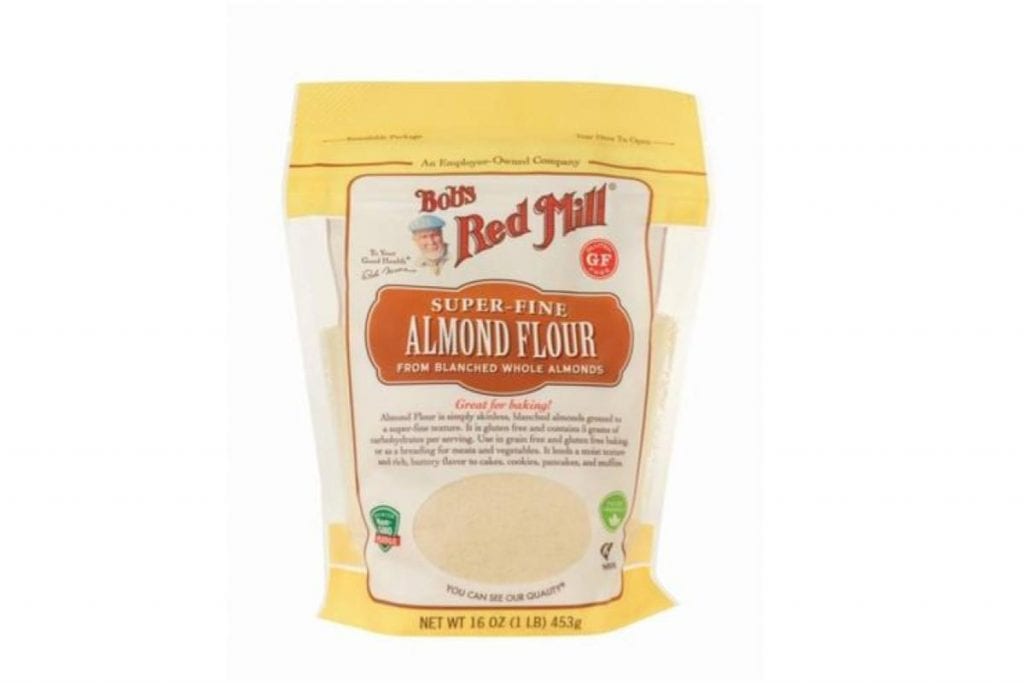
We all know almonds are highly nutritional. So yes this is one of the best and popular gluten free flour options in the market. Almond flour is made solely from ground almonds and they are blanched to reduce quality loss over time. This further makes it a healthier alternative. This flour is packed with minerals such as magnesium, calcium, potassium and iron. It is also rich in Vitamin E. However, it has a high fat content which increases calories. But fat here refers to unsaturated fat – a fat that doesn’t contribute to ‘bad’ cholesterol. It can be used to substitute plain flour in many recipes. Do note that the final product will be a lot more dense and has a nutty flavor.
Oat Flour
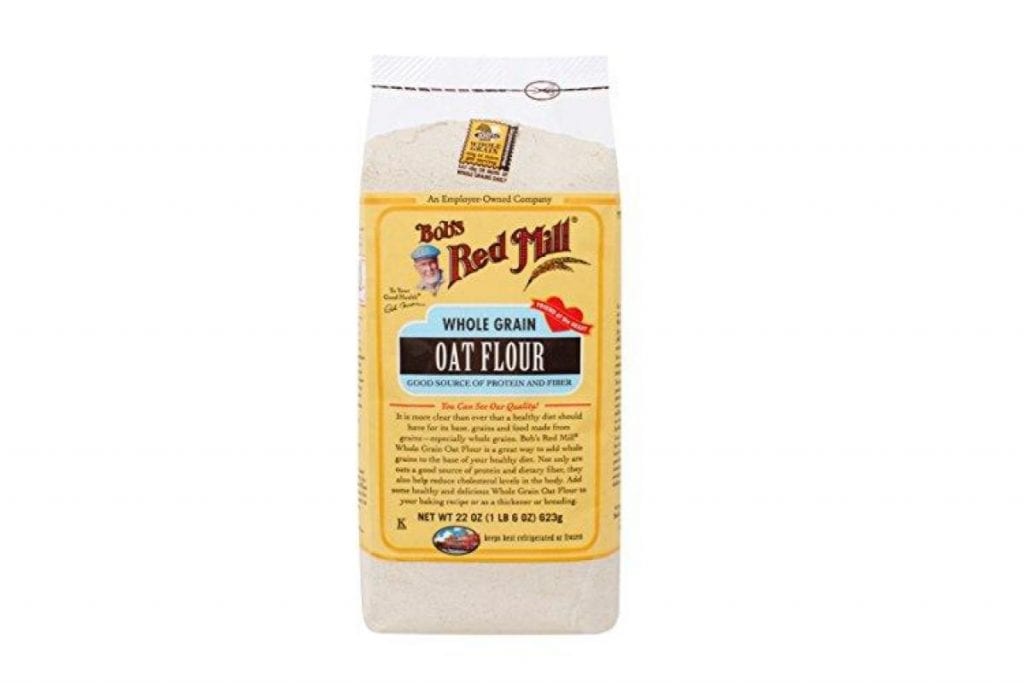
My go-to when making healthier banana bread. Made of oats, oat flour is actually higher in dietary-fiber making it more digestible compared to plain regular oats. Oat flour is especially known for its beta-glucan, which lowers ‘bad’ cholesterol in the body. This aids in lowering the risk of heart diseases and regulates blood sugar levels. Besides that, it is loaded with proteins like magnesium and phosphorus along with high contents of antioxidants and B-Vitamins. Oat flour is best for quick bread and cookies. It results in a nice chewy, crumbly texture. You can also combine it with other gluten free flours to make more stuff. If you would like to make it yourself, you could make 1 cup of oat flour by grinding 1 ¼ cup of rolled oats.
Coconut Flour

Second to Almond Flour when it comes to popularity. It absorbs a lot of moisture compared to Almond Flour. The Coconut Flour is made of dried coconut meat that is grinded to produce soft, powdery flour. It is rich in fibre, healthy fats and it has very low carbs! (woohoo) This makes it great for people wanting to lose weight or on a ketogenic diet (a diet that aims to get more calories from proteins rather than carbohydrates). Coconut Flour gives a mild coconut flavor and can be used to bake bread and delicious desserts.
Corn Flour
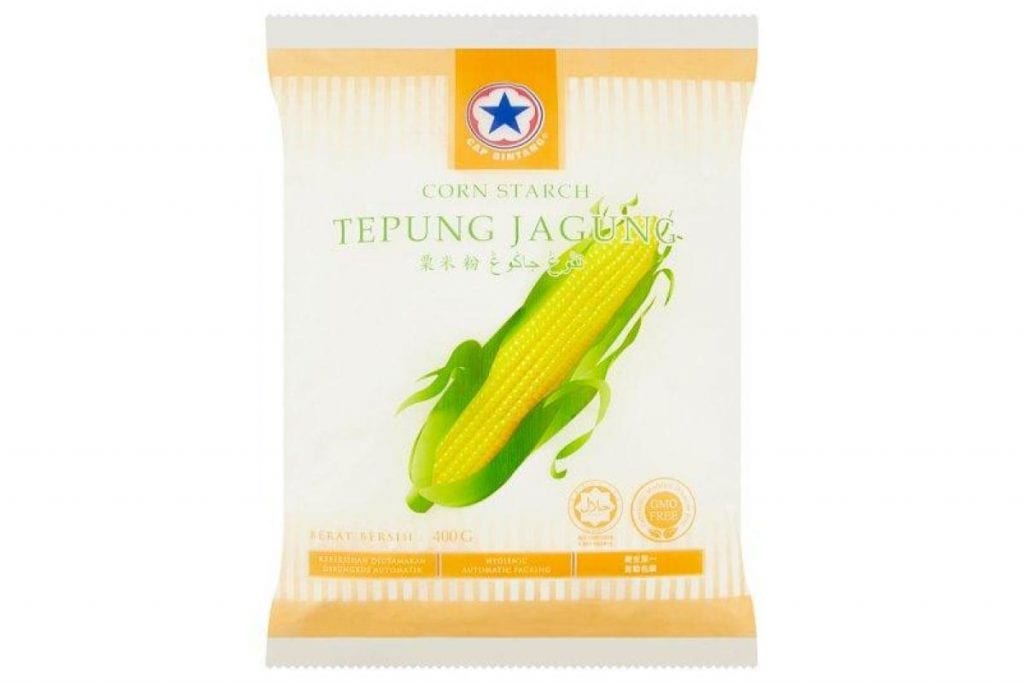
Corn flour is made from the entire wheat kernel, the bran, endosperm and germ. It is similar to Cornmeal, just that Corn Flour is more finely grounded. If you’re wondering about Cornstarch too, you can read a little more about it here It is rich in fibre and has plant compounds packed with antioxidants that also helps to improve eyesight and minimize the likelihood of cataracts. Furthermore, it contains an abundance of minerals like thiamine, manganese and magnesium along with Vitamin B6. Corn Flour is generally used to make bread, tortillas and pizza, It comes in white and yellowish variants and can be combined with other flour too.
Buckwheat Flour

I don’t know why, but I like pronouncing the name of this flour – BUCKWHEAT. Try it haha! Look I know it has ‘wheat’ in its name, but actually it does not contain any wheat because it is not grown on grass. It is cultivated as grain-like seeds from a plant. They belong to the category of pseudocereals. Now what in the world is that? Well it is cultivated seeds just like any other cereal however, not made from grass. Buckwheat flour is also incredibly rich in proteins, minerals and antioxidants especially polyphenol rutin which is great for people who suffer from arthritis. This is due to polyphenol rutin being anti-inflammatory, which eases arthritis pain. This flour offers a rustic, earthy flavor and gives crumbly texture. Awesome for making bread! You can also use it to ‘coat’ meat for cooking purposes.
Cassava Flour
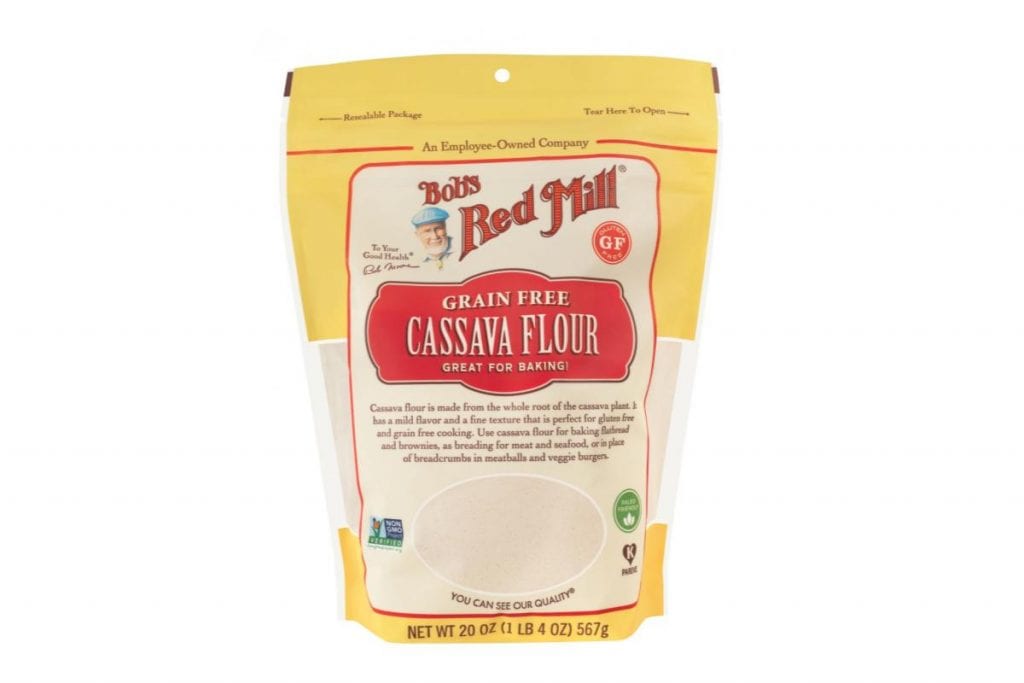
You may be thinking, “Is it the same with Tapioca Flour?” Well they are made from the same root. The difference is that Cassava Flour uses the entire root whereas Tapioca Flour only uses the starch derived from the root. So this flour is nut free it is suitable for individuals with nut allergies and much lesser in calories compared to almond and coconut flour. Cassava Flour is rich in vitamin C and other proteins but not in fibre. It has to be cooked to neutralize toxins. So ensure that you buy flour made of cooked cassava roots. It has a neutral flavor and can be substituted with all-purpose flour or used with other flour fairly easily.
Tapioca Flour
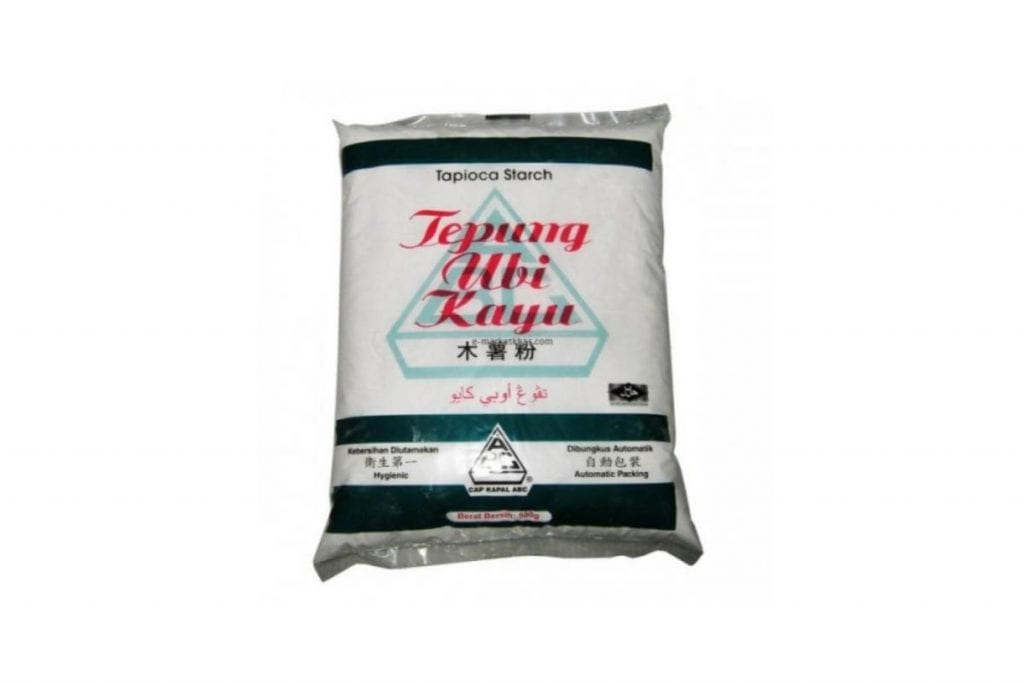
The boba in your milk tea is made of this flour! As mentioned previously, it is made from cassava roots. The starch derived is made into a fine, white powdery flour. It is overall lesser in nutrients compared to other gluten free flour, but does have less fats and helps with digestion. Tapioca Flour is famous in being used as thickening agents too for soup and sauces since it does not change the flavor of the dish.
Chickpea Flour

If you have eaten Chapati, you most probably have seen this in the curry it is served with. Chickpeas are a type of legume and they are used to make Chickpea Flour. It is popular in The Indian Subcontinent such as in India, Burma, Bhutan or Nepal and used as a staple ingredient. It is a great choice of plant-based protein that’s also high in fibre. Chickpea Flour is more dense and has a nice nutty flavor, It’s perfect for making flatbread, tortilla, falafel and hummus!
Brown Rice Flour
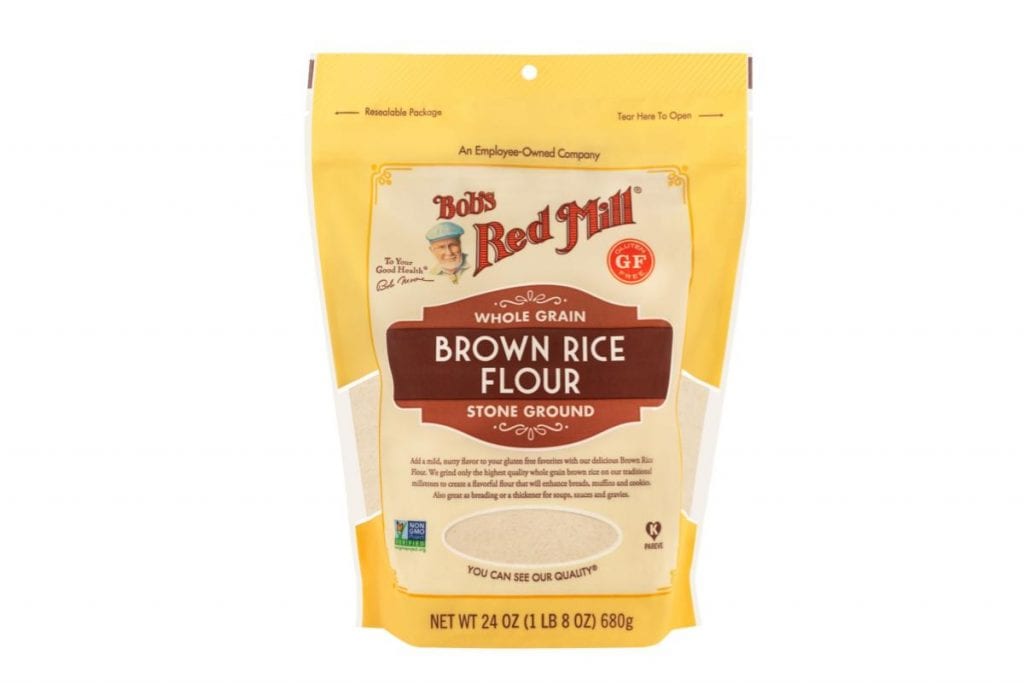
Oh yes I’m sure you have heard of the healthy – brown rice. Brown Rice Flour is made well of course from brown rice using the entire part of the wheat thus, is also known as a type of whole-grain flour. It is more nutritious than white rice and still has a decent texture and flavor. Tons of health benefits, it is rich in proteins, fibre, vitamins and minerals. It also is said to contain lignans which is known to help protect against cancer and heart diseases. It has a more dense, nutty flavor in comparison with white rice. This makes it good for thickening sauces and adding more crips to baked goods such as cookies. Brown Rice Flour can also be incorporated with other flours to make noodles or cakes. Sorghum Flour You may not have heard of this flour but it is really good and has been used since ancient times. Roughly about 5000 years ago, originating from Northeast Africa or Egypt. (wow) It is rich in protein, fibres and antioxidants. Sorghum Flour is more dense but has a light color and mild taste. It is best combined with other flour to make cakes or cookies.
Hmm, which should I choose?
Depending on what you want to make, you can choose the right flour to give you the right texture you desire. Compare their nutritional benefits and see which best suits your needs. Give Gluten Free Flour a go then! You’ll be able to indulge with less worries or guilt lol.
New to baking?
New to baking? Check out our quick and easy 30 Day Guide for Beginner Bakers
3 MILLION SUBS on Youtube! Uncle Roger Finally Reveals Egg Fried Rice Recipe
Organize Like A Pro! Smart Ways To Store Kitchenware
Like A Work Of Art: Beautiful Ways To Score Sourdough Bread