Rock climbing is a thrilling and physically demanding sport that requires skill, technique and the right equipment to ensure safety and success. Whether you are a professional climber or just starting out on your adventurous hobby, having the essential rock climbing equipment is paramount. These tools and gear items are designed to protect you from potential hazards and help to enhance your climbing experience.
At the core of any climber’s toolkit are harnesses, ropes, and carabiners. These fundamental pieces of equipment form the backbone of safety systems, enabling climbers to ascend and descend with confidence. However, the world of rock climbing gear goes far beyond these basics. From climbing shoes that provide precision on the rock face to helmets that shield against falling debris, the equipment you choose can greatly impact your climbing performance and safety. Here are the 15 best rock climbing equipment in Malaysia.
Why Is Climbing Equipment Important Even For Beginners?
Climbing equipment is crucial for beginners, as well as climbers of all levels, for several important reasons:
- Safety
Climbing can be inherently dangerous, and climbing equipment provides essential safety measures to protect climbers from falls and injuries. Ropes, harnesses, helmets, and protective gear help reduce the risk of accidents and ensure that climbers can focus on their ascent without unnecessary hazards. - Skill Development
Climbing gear is essential for practising and developing climbing skills. Beginners can use equipment to learn rope work, belaying techniques, and rappelling safely, which are fundamental skills in climbing. - Adaptability
Climbing equipment is adaptable to different types of climbs and terrains. Whether climbing in a gym, on sports routes, or in traditional outdoor climbs, having the right gear ensures climbers are prepared for a variety of situations.
Can You Rock Climb Without Any Equipment?
Rock climbing without equipment, known as “free soloing,” represents a highly advanced variant of the sport. Climbers ascend rock formations without the aid of ropes, harnesses, or protective gear, relying solely on their physical prowess, technique, and mental acuity. It is essential to understand that free soloing carries extreme risks, as any fall can have fatal consequences due to the absence of safety measures.
Read more to find the best-rated spots to hike and rock climb:
15 Best Rock Climbing Equipment List in Malaysia 2026
1. Climbing Shoes

Climbers need climbing shoes because they provide the grip and precision to cling to rock surfaces. These specialised shoes have sticky rubber soles that stick to tiny holds and edges helping climbers stay on the wall. They also have a snug fit for precise foot placements and minimise foot movement within the shoe. Climbing shoes enhance a climber’s control and confidence, making it easier to tackle challenging routes and reach the top safely. Whether indoors at a climbing gym or outdoors on natural rock formations, climbing shoes are a vital part of a climber’s equipment for a successful ascent.
2. Chalk and Chalk Bag

Chalk is used to improve climbers’ grip on holds, whether they are climbing on indoor plastic walls or natural rock formations outdoors. It helps keep their hands dry and less sweaty, enhancing friction between their hands and the climbing surface. This improved grip is crucial for holding onto small holds and making precise movements, reducing the risk of slipping or losing control during a climb. Chalk is a simple yet essential tool that helps climbers maintain a secure grip and climb with confidence, making it a staple in their climbing gear.
3. Approach Shoes

Climbers benefit from having approach shoes because these footwear provide the right combination of grip, comfort, and durability for the approach to a climbing site. Approach shoes have sticky rubber soles that offer traction on a variety of terrains, from rocky trails to slippery slopes. They are comfortable for extended walks and scrambles, ensuring climbers arrive at the base of their routes with less fatigue. Approach shoes are built to withstand the rigours of climbing environments, making them a reliable choice for the rocky, uneven terrain climbers often encounter on their way to the climbing destination.
4. Climbing Harness

Climbers require a climbing harness as it is a fundamental piece of safety equipment that ensures their protection during climbs. A climbing harness is worn around the waist and thighs and is designed to secure climbers to a rope, providing a vital link to their safety system. It allows climbers to attach themselves to the climbing rope, preventing them from falling in case of a slip or loss of grip. Harnesses often have gear loops for carrying essential equipment like carabiners, belay devices, and quickdraws.
5. Climbing Rope

Climbing ropes are important, as climbers rely on them for their safety and protection while ascending and descending routes. These ropes are engineered to withstand the forces generated during falls, ensuring climbers do not plummet to the ground. They are designed to absorb the energy of a fall and distribute it across the climbing system, reducing the impact on the climber. Climbing ropes are also dynamic, which means they can stretch to some extent, further dissipating the force of a fall.
6. Belay Device

Climbers need a belay device as it is a critical safety tool that enables controlled rope management during climbs. Belay devices allow climbers to secure the rope, provide friction, and arrest a fall if necessary. They are essential for both belaying a partner and rappelling down from a route. Belay devices come in various types, such as tubular and assisted braking, each offering specific advantages for different climbing scenarios. A reliable belay device is crucial for maintaining safety and control while enjoying the vertical world of climbing.
7. Quickdraws

Climbers need to own quickdraws because they play a vital role in protecting them during lead climbing. Quickdraws are used to attach the rope to bolts or fixed protection points on the climbing route. They allow climbers to clip the rope in as they ascend, reducing the potential length of a fall. Quickdraws also come in various lengths and styles, with some featuring keylock gates for smooth clipping and unclipping. Having a set of quickdraws is essential for climbers as they provide the means to secure the rope to the route’s protection, ensuring safe and controlled climbing.
8. Climbing Helmet

With a climbing helmet, climbers can protect their heads from potential falling debris, rock impacts, or accidental collisions with the climbing wall or rock face. It serves as a crucial safety gear that can prevent head injuries during climbs. Even in controlled environments like indoor climbing gyms, there is a risk of falling objects or bumps and scrapes against the wall. Climbing helmets are designed to absorb and distribute impact forces, reducing the chances of head injuries.
9. Climbing Backpack

All climbers should have a climbing backpack because it can help carry their climbing gear and essentials. These backpacks are designed with features such as gear loops, attachment points for ropes, and compartments for storing equipment like harnesses, helmets, and shoes. Climbing backpacks provide climbers with a convenient way to transport their gear to the climbing site and keep it easily accessible during the climb. They are essential for staying organised, ensuring climbers have everything they need for a safe climbing experience.
10. Nuts and Nut Tool

Nuts and nut tools are pieces of protection gear for traditional rock climbing. Nuts, also known as nuts or chocks, are metal wedges designed to be placed in cracks and fissures in the rock to create secure anchor points for ropes and carabiners. A nut tool is used to remove the nuts after a climb. These tools are essential for climbers to build safe anchor systems and protect against falls. They provide versatility and reliability when placing gear in various rock types and sizes, making them crucial additions to a climber’s rack.
11. Cams
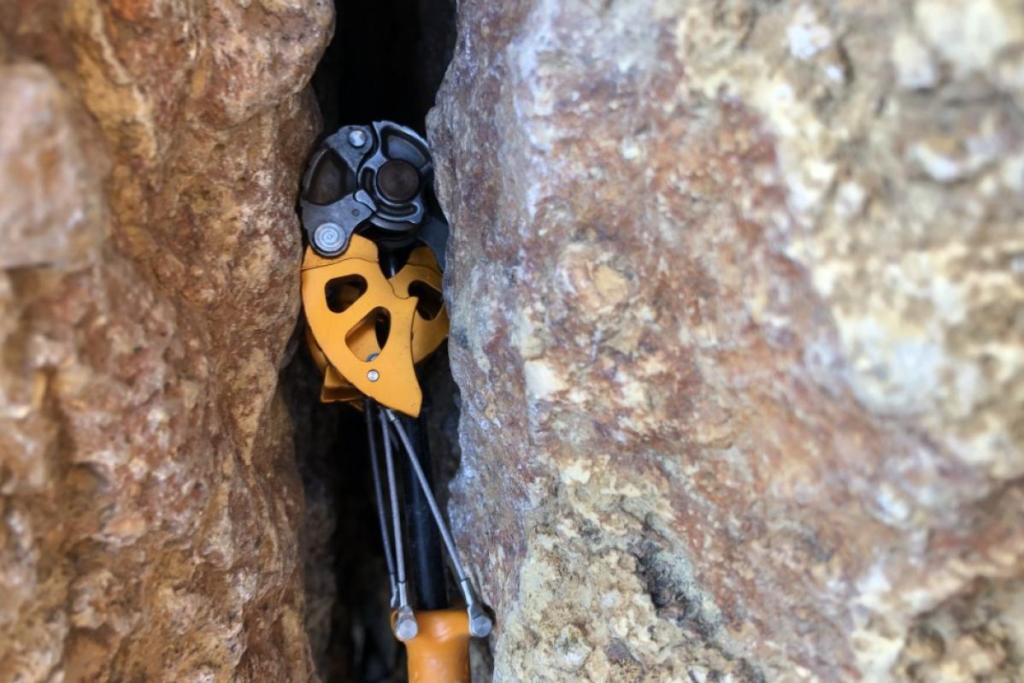
Climbers rely on cams, short for camming devices, because they offer crucial protection in traditional climbing. Cams are mechanical devices that expand and grip inside cracks and crevices in the rock when weighted, creating secure anchor points for ropes and carabiners. They provide flexibility and adaptability in protecting against falls, particularly in irregularly shaped cracks and rock formations. Cams are essential tools for climbers to build reliable anchor systems and ensure their safety during a climb.
12. Alpine Draws

Climbers depend on alpine draws, also known as quickdraws, designed for versatility in a variety of climbing situations. They consist of two carabiners connected by a sewn sling or webbing, allowing climbers to extend their reach and reduce rope drag. Alpine draws are essential for traditional and alpine climbing, where efficiency and minimal gear weight are critical. They enable climbers to clip into protection points, like cams or nuts, and attach the rope, reducing the risk of damaging the rope or encountering resistance while climbing.
13. Personal Anchor System

A Personal Anchor System (PAS) is needed if climbers want to add safety during various climbing scenarios. It is a versatile tool that allows climbers to secure themselves to anchors, whether at a belay station or while rappelling, and it provides a secure point of attachment. It minimises the risk of dropping equipment or losing control while ensuring climbers remain connected to the anchor points. PAS is a crucial component of a climber’s safety gear, promoting secure movements and preventing accidents during the climb.
14. Crack Gloves
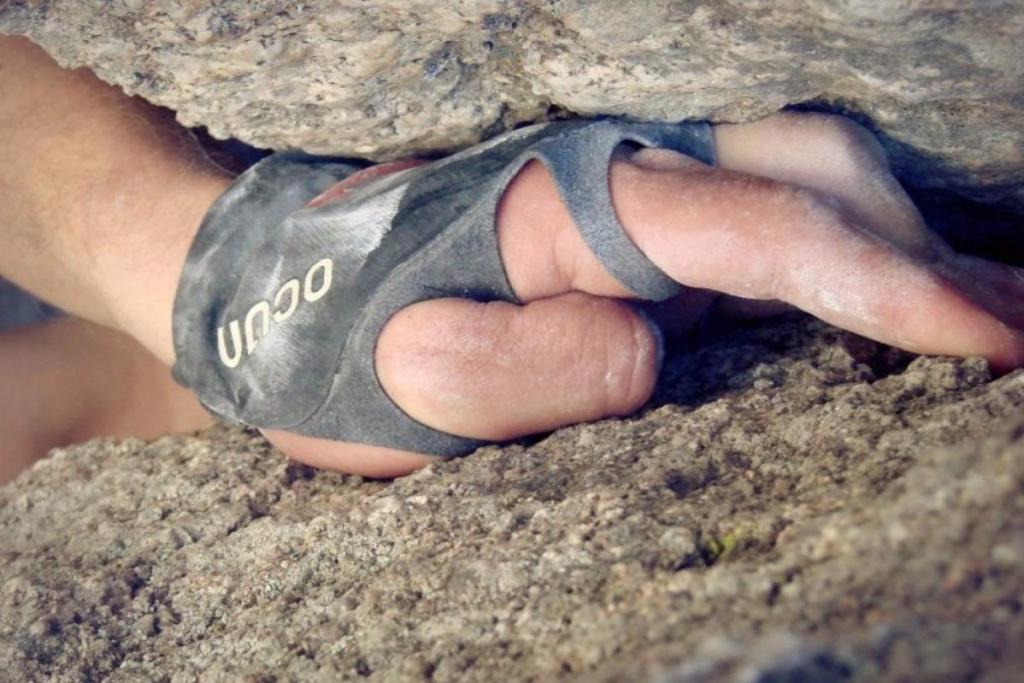
Crack gloves can protect climbers’ hands while navigating challenging cracks in rock formations. These gloves are essential because cracks can be abrasive and cause painful hand injuries. Crack gloves provide a protective layer, preventing cuts and abrasions, allowing climbers to grip the rock more comfortably, and reducing the risk of painful skin damage. They are particularly useful for crack climbing enthusiasts who encounter various crack sizes and textures during their climbs, ensuring a safer and more enjoyable climbing experience while protecting their hands.
15. Headlamp
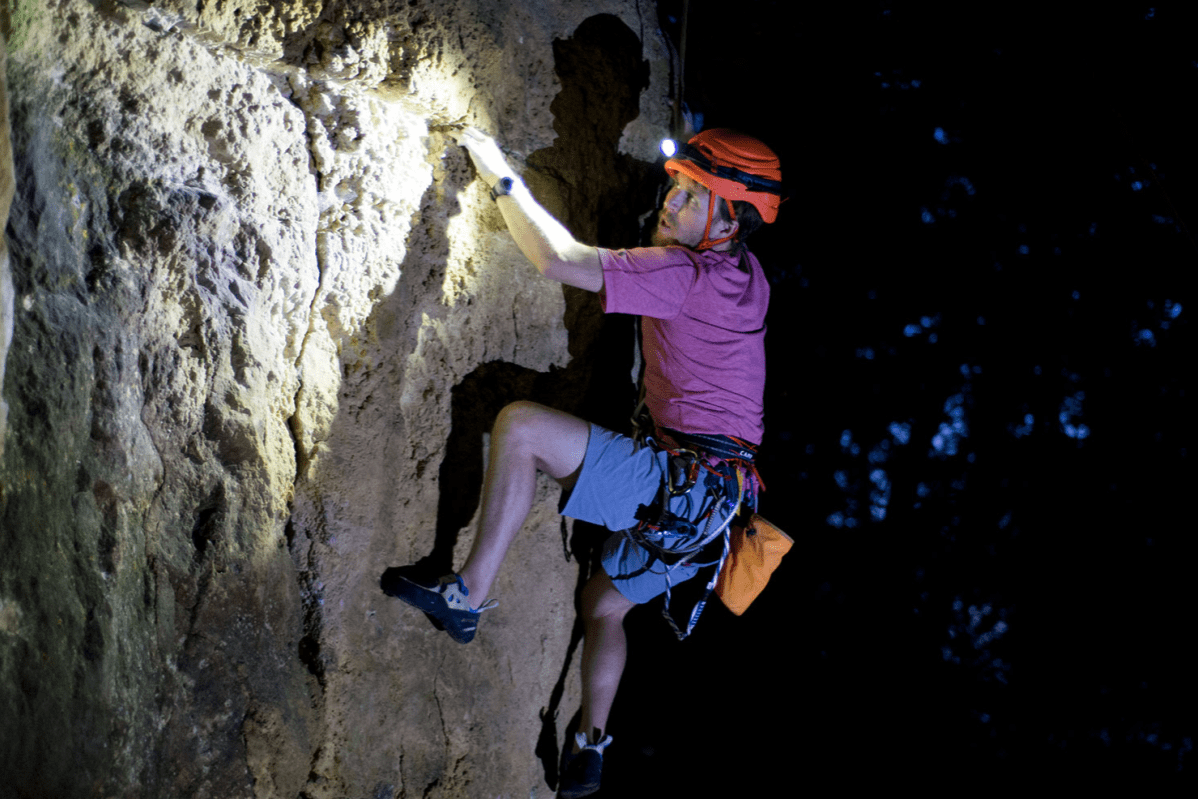
A headlamp is a crucial piece of equipment for climbers, especially during low-light conditions or when navigating through dimly lit areas such as caves or tunnels. It provides hands-free illumination, allowing climbers to see their surroundings, check their gear, and find their way in the dark. Headlamps are essential for both safety and convenience, enhancing overall safety, reducing the risk of accidents, and contributing to a smoother climbing experience, making them an indispensable tool in a climber’s kit.
Grab Your Complimentary Lazada Voucher 【Here】
Tons of Shopee Cashback Deals 【Here】
Disclosure: This list was compiled by the team at My Weekend Plan after extensive research and shared opinions to suggest helpful recommendations for the public. The sequence of brands is in no particular order so if you have any other great suggestions too, please email us support@myweekendplan.asia. For more information, kindly refer to our copyright, privacy & disclosure policy.